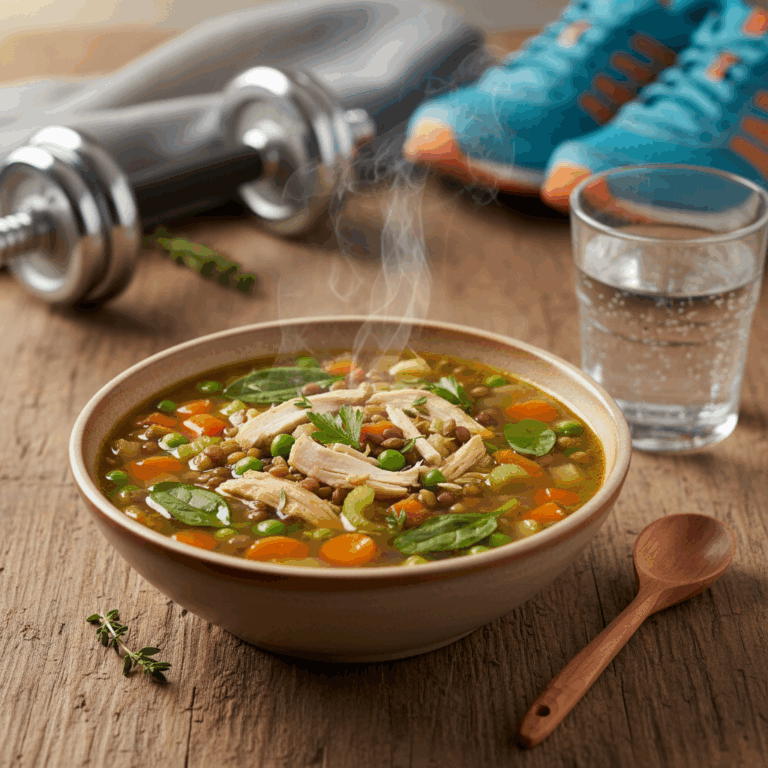
Benefits of Broth-Based Soups for Recovery
Broth-based soups are excellent for post-exercise recovery due to their rich nutrient profile. They provide a natural source of protein and essential minerals that aid muscle repair.
These soups support reducing muscle soreness and inflammation, while promoting connective tissue health. Their ingredients also offer anti-inflammatory benefits for faster recovery.
Protein Content and Muscle Repair
Bone broth contains 15-20 grams of protein per serving, which is vital for muscle repair and growth after exercise. Protein helps reduce muscle damage and supports rebuilding muscle fibers.
Consuming protein-rich soups post-workout ensures muscle protein synthesis is stimulated, promoting efficient muscle recovery and increased strength over time.
The high protein levels in broth soups also contribute to diminishing muscle soreness, helping athletes bounce back quicker for their next training session.
Collagen and Connective Tissue Health
Collagen found in bone broth promotes the repair and maintenance of connective tissues such as tendons and ligaments. This benefit reduces injury risks during physical activity.
Regular consumption of collagen-rich broth supports joint health by enhancing tissue elasticity and strength, helping athletes recover from strain and overuse.
Additionally, collagen works alongside minerals and amino acids in broth to provide anti-inflammatory effects, easing muscle cramps and joint discomfort after workouts.
Role of Protein in Muscle Recovery
Protein is essential for muscle recovery as it supports muscle protein synthesis and reduces muscle breakdown after exercise. Soups rich in protein provide a convenient recovery option.
Including lean proteins in soups enhances their nutritional value, helping to repair damaged muscle fibers and promote faster recovery between workouts.
Muscle Protein Synthesis and Preservation
Muscle protein synthesis is the process where the body builds new muscle proteins to repair exercise-induced damage. Protein intake through soups stimulates this repair mechanism.
Preserving muscle mass is critical during recovery, and consuming adequate protein from protein-rich soups helps attenuate muscle breakdown and supports remodeling.
Soups with amino acid-rich proteins ensure continuous muscle repair, which enhances strength gains and reduces workout-induced muscle soreness effectively.
Incorporating Lean Proteins in Soups
Adding lean proteins like grilled chicken or turkey meatballs to soups increases the protein content without excessive fat, amplifying their muscle repair potential.
Lean protein sources provide essential amino acids necessary for efficient recovery, making protein-enriched soups a practical post-exercise meal choice.
These proteins also enhance the flavor and nutrient density of soups, supporting both recovery needs and meal satisfaction for athletes.
Balanced Macronutrients for Recovery
Recovery soups should balance protein with carbohydrates and healthy fats to replenish glycogen stores and provide sustained energy post-workout.
A well-rounded macronutrient profile in soups aids muscle restoration while supporting overall metabolic functions and energy levels.
Incorporating diverse ingredients into recovery soups ensures they deliver comprehensive nutrition, optimizing muscle repair and long-term performance improvements.
Electrolytes and Rehydration
Electrolytes in broth-based soups play a crucial role in restoring fluid balance after intense exercise. They help maintain hydration and support muscle function effectively.
Post-workout soups rich in electrolytes like sodium and potassium assist in replenishing what is lost through sweat, making them excellent options for recovery hydration.
Importance of Electrolytes in Broth Soups
Electrolytes such as sodium, potassium, and magnesium in broth soups aid in nerve signaling and muscle contraction, which are essential during recovery.
These minerals also promote optimal hydration by balancing fluids inside and outside cells, reducing the risk of cramps and dehydration after exercise.
Including electrolyte-rich broth soups in recovery routines supports faster replenishment of essential minerals lost during physical activity.
The anti-inflammatory compounds in broths further complement electrolyte benefits by aiding muscle relaxation and pain reduction post-training.
Comparing Homemade and Commercial Soups
Homemade broth soups typically contain fewer additives and lower sodium levels compared to commercial options, making them healthier for recovery.
Commercial soups often include preservatives and excess sodium, which can hinder rehydration and may increase the risk of inflammation after exercise.
Preparing homemade soups allows control over ingredient quality, ensuring optimal electrolyte balance and nutrient density for effective muscle recovery.
Overall Impact on Strength Recovery
Broth- and protein-based soups significantly enhance strength recovery by combining anti-inflammatory properties with essential nutrients. These soups reduce post-exercise soreness while supporting muscle and joint health.
Rich in amino acids and minerals, they provide an ideal recovery meal that promotes muscle repair, decreases inflammation, and replenishes electrolytes for sustained strength and performance.
Anti-Inflammatory Effects to Reduce Soreness
Bone broth contains compounds like glycine that help modulate inflammation, reducing muscle soreness after intense exercise. This accelerates recovery and allows faster return to training.
Its minerals and amino acids combat oxidative stress and support immune function, further aiding in decreasing inflammation and discomfort in muscles and joints.
By lowering inflammation levels, these soups help prevent chronic muscle pain and damage, enhancing recovery quality and overall athletic longevity.
Nutrient-Dense Recovery Meal Advantages
Soups with balanced macronutrients and nutrient-dense ingredients supply the body with proteins, carbohydrates, fats, and vital micronutrients necessary for effective recovery.
This nutrient density supports muscle protein synthesis, glycogen replenishment, and hydration, ensuring comprehensive restoration of energy and strength post-exercise.
Because they are easy to digest and customizable with lean proteins and vegetables, such soups serve as practical, wholesome recovery meals for athletes.