Benefits of Cooking with Seasonal Vegetables
Cooking with seasonal vegetables means enjoying produce at its freshest, richest in flavor and nutrients. This practice celebrates nature’s rhythm and provides culinary satisfaction.
Choosing seasonal ingredients also often means better prices and supports the environment. Growing and consuming locally reduces the need for long-distance transportation and storage.
Seasonal cooking encourages connection with local markets and farmers, promoting sustainability and preserving regional agricultural traditions through diverse vegetable consumption.
Freshness and Nutritional Value
Seasonal vegetables are harvested at peak ripeness, which enhances their flavor, texture, and nutritional content. This means more vitamins, minerals, and antioxidants.
Fresh produce retains moisture and delicate nutrients that degrade over time. Eating seasonally helps access vegetables when they are naturally most vibrant and healthful.
This also reduces reliance on out-of-season imports, which may be picked early and travel long distances, potentially losing nutrition and freshness on the way.
Sustainability and Support for Local Farmers
Using seasonal vegetables promotes local farming by encouraging demand for produce that is grown nearby and harvested at the right time of year.
This reduces the carbon footprint associated with transporting vegetables from distant locations, which benefits the environment through lower emissions and less packaging waste.
Supporting local farmers strengthens community economies and helps maintain sustainable agricultural practices that respect the land and seasonal cycles.
Seasonal Vegetable Dishes by Time of Year
Seasonal vegetable dishes reflect the unique flavors each season brings, allowing cooks to enjoy freshness and variety year-round. Each time of year highlights different vegetables at their best.
Adapting recipes to the seasons means embracing nature’s cycles, creating meals that are both flavorful and aligned with local harvests. This enhances taste and nutrition naturally.
From tender spring greens to hearty winter roots, seasonal cooking enriches menus while supporting sustainable, locally sourced ingredients for every occasion.
Spring Vegetable Recipes
Spring vegetables such as asparagus, radishes, and spinach offer fresh and tender flavors perfect for light dishes. Simple salads and pasta highlight their vibrant qualities.
Recipes like asparagus salad with lemon and parmesan or spring pasta with peas and zucchini emphasize freshness and subtle aromatic notes, ideal for springtime dining.
Raw preparations, including radish and avocado sandwiches, capture the crispness of spring produce, allowing natural flavors and textures to shine through effortlessly.
Summer Vegetable Recipes
Summer brings an abundance of zucchini, corn, tomatoes, and peppers, inspiring quick, fresh dishes that celebrate peak ripeness. Minimal cooking preserves their sweetness.
Favorites include Mexican Street Corn Salad, creamy corn pasta, and cucumber-tomato salads with herbs, which are vibrant, colorful, and perfect for warm weather meals.
Grilled vegetables and fresh salsas also dominate, as these methods amplify the natural juiciness and bright flavors characteristic of summer harvests.
Autumn Vegetable Recipes
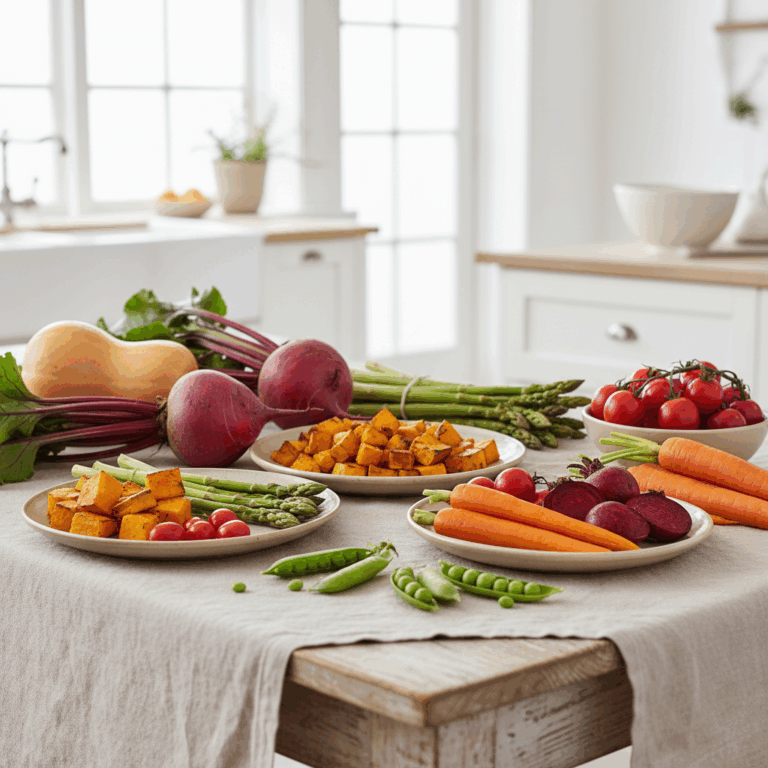
Autumn features hearty vegetables like squash, carrots, and kale that lend themselves to warm, comforting dishes suited for cooler days. Roasting enhances their natural sweetness.
Dishes such as roasted butternut squash soup or kale and root vegetable stir-fries offer deep, rich flavors that embody the seasonal shift towards heartier ingredients.
Using robust greens and root vegetables in soups or sautés provides satisfying textures and nutrition, perfect for nurturing meals as temperatures drop.
Winter Vegetable Recipes
Winter vegetables like kale, beets, cabbage, and potatoes create nourishing dishes that warm the body and soul. They are ideal for slow-cooked, hearty preparations.
Hearty beet and kale stir-fry over grains pairs robust flavors and textures, making it a fulfilling option during colder months when fresh produce is limited.
Winter cooking focuses on comforting meals that sustain energy and bring brightness to shorter days, relying on vegetables that thrive in colder seasons.
Cooking Techniques for Seasonal Vegetables
Choosing the right cooking technique enhances the taste and texture of seasonal vegetables. Techniques vary from raw preparations to roasting, allowing each vegetable’s natural qualities to shine.
Adapting cooking methods to seasonal produce helps maintain nutritional value while creating flavorful dishes that celebrate freshness and diversity year-round.
Understanding these techniques lets cooks highlight the unique character of vegetables at their peak, making meals vibrant, balanced, and satisfying.
Raw and Light Preparations
Raw and lightly prepared vegetables preserve crispness, freshness, and maximum nutrients, ideal for delicate spring and summer produce. These methods let the vegetables’ natural flavors stand out.
Simple dishes like salads or thinly sliced radishes offer bright, fresh textures and lightness that refresh the palate in warmer months, enhancing the vegetables’ inherent sweetness and crunch.
Dressings with citrus, olive oil, or fresh herbs complement raw vegetables perfectly, adding brightness and subtle seasoning without overpowering their natural taste.
These preparations are quick and easy, perfect for showcasing early spring greens or summer cucumbers and tomatoes when freshness is key.
Roasting, Sautéing, and Grilling
Roasting, sautéing, and grilling bring out deeper, caramelized flavors in heartier vegetables typical of autumn and winter, such as squash, carrots, and root vegetables.
Roasting enhances sweetness and creates a tender yet slightly crispy texture, while sautéing allows quick cooking with an aromatic base of garlic, onions, and herbs.
Grilling imparts smoky notes and visual appeal, ideal for summer vegetables like peppers and eggplants, elevating their natural intensity and juiciness.
These methods add warmth and complexity to dishes across seasons, making them comforting, rich, and satisfying for cooler months as well as vibrant summer fare.
Key Tips for Flavorful Seasonal Dishes
Creating delicious seasonal vegetable dishes depends on embracing simplicity and enhancing the natural qualities of fresh produce. Overcomplicating recipes can mask essential flavors.
Focusing on fresh, high-quality ingredients ensures each vegetable shines. Using complementary additions like herbs, citrus, and quality fats elevates dishes while preserving their seasonal integrity.
Adapting techniques and seasoning to what’s freshest in your area guarantees meals remain vibrant and deeply satisfying all year round.
Simplicity and Highlighting Natural Flavors
Keeping recipes simple lets the distinctive taste and texture of seasonal vegetables take center stage. Light seasoning and minimal processing preserve their freshness.
Cooking methods that enhance rather than overwhelm, such as roasting or light sautéing, bring out natural sweetness and depth, making vegetables the star.
Balance is key—avoid overpowering ingredients, and aim to complement rather than mask authentic vegetable flavors for an enjoyable, memorable dish.
Using Fresh Herbs, Citrus, and Quality Fats
Incorporating fresh herbs like basil, parsley, or thyme adds brightness and complexity that elevate seasonal veggies without heavy sauces or spices.
Citrus elements, such as lemon or lime juice and zest, add refreshing acidity that awakens flavors and contrasts earthiness in many vegetables.
Using quality fats like extra virgin olive oil or nut butters enhances mouthfeel and richness, helping flavors meld together while keeping dishes balanced and healthy.