Basics of Gluten-Free Baking
Gluten-free baking requires a solid understanding of gluten’s role in traditional baking and how to replace it effectively. Gluten is a protein that provides structure and elasticity to baked goods.
Without gluten, achieving the right texture can be tricky, but the use of alternative flours and blends makes it possible to create delicious, satisfying baked items. Patience and technique are key.
Understanding Gluten and Its Role
Gluten is a protein complex found in wheat, barley, and rye, essential for the elasticity and strength of dough in baked goods. It traps air bubbles created by yeast or leavening agents.
This structure allows bread to rise and gives cakes and pastries their chewy texture. Without gluten, baked products tend to be crumbly, dense, or dry unless alternatives are used.
In gluten-free baking, the challenge is to mimic these properties using other ingredients to maintain moisture, stretch, and firmness in the final product.
Alternative Flours and Their Characteristics
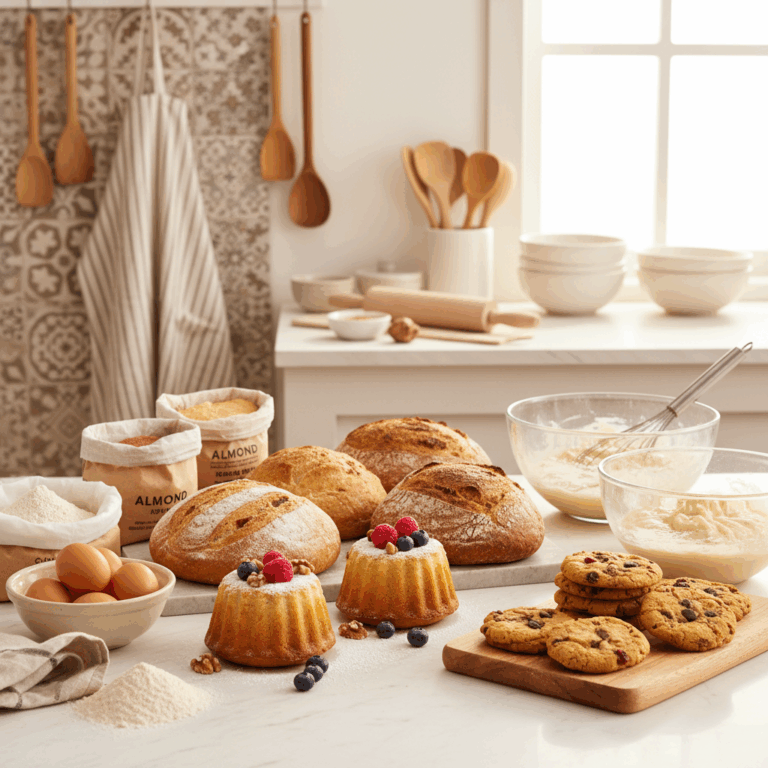
Gluten-free baking relies on flours like rice flour, almond flour, sorghum, and millet, as well as starches such as tapioca and potato starch. Each contributes unique properties.
Rice flour is mild and light, ideal for subtle textures, while almond flour adds richness and moisture. Starches improve stretch and tenderness, helping imitate gluten’s function.
A common approach is blending about 60% whole-grain flours with 40% starches to balance structure and softness, resulting in a more traditional texture in gluten-free goods.
Simple Gluten-Free Recipes and Techniques
Gluten-free baking has become more accessible with recipes tailored for ease and taste. Using the right techniques and ingredients can simplify the process greatly.
From pre-mixed flour blends to naturally flourless options and adapted classics, there are many ways to enjoy delicious baked treats without gluten.
Using Pre-mixed Gluten-Free Flour Blends
Pre-mixed gluten-free flour blends combine various flours and starches, removing the guesswork often involved in balancing texture and structure.
These blends typically include rice flour, starches like tapioca or potato, and sometimes nut flours, offering a convenient base for many baked goods.
Using these blends allows beginners to achieve consistent results without needing to experiment with multiple ingredients and ratios.
Flourless Baking Options
Flourless recipes, such as flourless chocolate cake or coconut macaroons, avoid flour entirely, making them easy and naturally gluten-free.
These treats often rely on ingredients like eggs, nuts, and chocolate to provide structure and richness, resulting in dense and flavorful desserts.
They are ideal for those seeking simple, satisfying sweets without the complexities of gluten-free flour combinations.
Adapted Classic Baked Goods
Many traditional favorites like banana bread, brownies, and cookies have been successfully adapted to gluten-free versions using appropriate flour blends.
These recipes maintain a familiar texture and taste, often yielding moist, tender results that rival their gluten-containing counterparts.
Adapting classics helps gluten-free bakers enjoy beloved treats while experimenting with various flours and techniques for best outcomes.
Challenges and Solutions in Gluten-Free Baking
Gluten-free baking presents unique challenges, especially in replicating the texture and structure gluten provides. Understanding these issues helps bakers find effective solutions.
By using the right binders, flour combinations, and techniques, it’s possible to create gluten-free baked goods that are moist, tender, and structurally sound, matching traditional qualities closely.
Texture and Structure Without Gluten
Without gluten, baked goods often struggle to hold their shape and can become crumbly or dry. Gluten acts as a binder and creates elasticity, which is hard to replicate.
Solutions include adding ingredients like xanthan gum or psyllium husk to replace gluten’s binding properties, improving dough elasticity and crumb structure.
Balancing flours and starches also helps to achieve the desired texture, with starches providing tenderness and flours offering structure, making the final product more enjoyable.
Proper hydration and mixing techniques are crucial, as gluten-free doughs often require more moisture and gentle handling to prevent drying out or becoming too dense.
Advanced Gluten-Free Baking: Bread and Pizza
Baking gluten-free bread and pizza is among the most challenging tasks due to gluten’s role in trapping gases and providing chewiness. Specialized approaches are needed.
Using a blend of starches, gums, and proteins, along with longer fermentation or proofing times, helps mimic the airy crumb and chewy texture of traditional bread and pizza crusts.
Techniques like adding hydrocolloids and using higher hydration levels can improve dough elasticity, resulting in better rise and a softer, more authentic bite in the finished product.
Interesting Fact: Sourdough in Gluten-Free Baking
Gluten-free sourdough is gaining popularity; it involves fermenting gluten-free flours with wild yeast and bacteria, enhancing flavor and texture while naturally preserving the bread.
This fermentation process also helps improve digestibility and shelf life, making gluten-free breads more enjoyable and healthier for consumers.
Tips for Successful Gluten-Free Baking
Starting your gluten-free baking journey with dependable recipes builds confidence and ensures better results. Well-tested recipes minimize common pitfalls and help you understand ingredient roles.
Balancing the right combination of flours and starches is crucial for texture and structure. Knowing the properties of each ingredient can greatly improve your baked goods.
Starting with Reliable Recipes
Using recipes from trusted sources guarantees a smoother gluten-free baking experience, as these have been carefully developed and tested for texture and taste.
Reliable recipes provide clear instructions about flour blends and ingredient ratios, reducing guesswork and frustration for beginners.
Following these recipes precisely is important since gluten-free baking is less forgiving than traditional baking in terms of measurements and ingredient substitutions.
Balancing Flours and Starches for Best Results
A successful gluten-free flour blend typically consists of around 60% whole grain flours and 40% starches, which helps replicate the structure that gluten provides.
Whole grain flours like rice or sorghum add flavor and body, while starches such as tapioca or potato contribute elasticity and tenderness.
Adjusting this balance allows bakers to tailor texture, making breads chewier or cakes moister according to the recipe’s needs.
Pro Tip
Experiment slowly by altering small amounts of flours and starches to find your preferred texture without risking a failed batch.
Keeping notes during adjustments helps optimize blends for future baking success and personal taste preferences.