Ginger’s Role in Savory Dishes
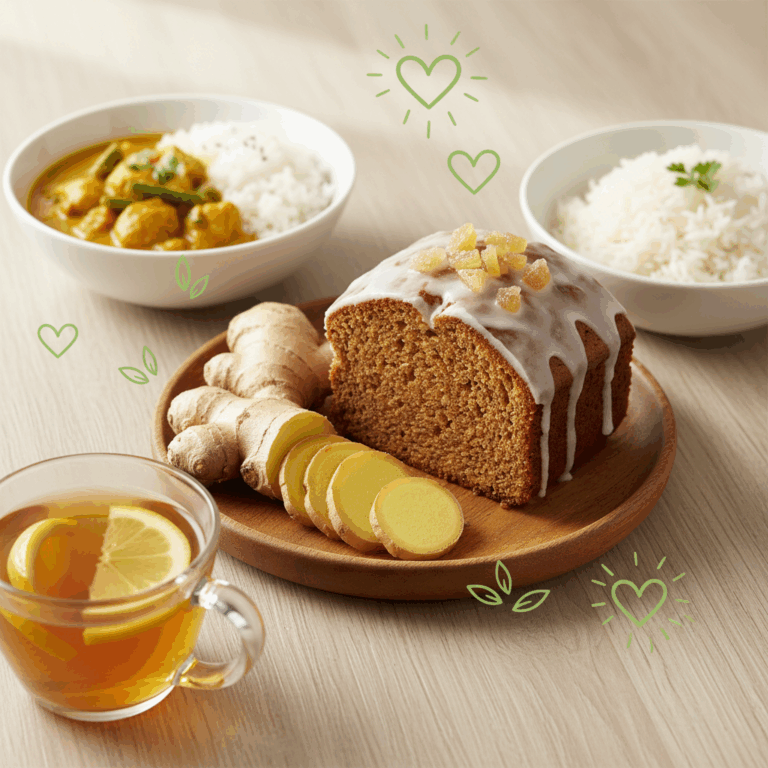
Ginger is a dynamic ingredient essential in many savory dishes worldwide. Its warm, spicy, and slightly citrusy flavor introduces brightness and complexity to meals.
It enhances stir-fries, soups, curries, and marinades, transforming simple ingredients into deeply flavored dishes. The versatility of ginger makes it a kitchen staple for adding depth.
Its ability to balance rich and spicy flavors makes ginger particularly favored in Asian and Indian cuisines. It transforms the taste experience by adding warmth and freshness.
Flavor Profile and Culinary Uses
Ginger’s unique flavor profile combines warmth with a slightly peppery and citrus note. This characteristic makes it suitable for a wide range of savory recipes.
In cooking, ginger is commonly used fresh, sliced, grated, or juiced to impart a zesty, pungent kick. It pairs well with garlic, chili, and soy sauce in many recipes.
Its culinary applications include seasoning stir-fries, enriching broths, and adding aromatic spice to slow-cooked dishes. Marinades often benefit from its ability to tenderize meat.
Moreover, ginger’s natural pungency complements vegetables, seafood, and poultry, enhancing the overall flavor without overpowering the dish.
Examples of Popular Savory Recipes
Popular dishes showcasing ginger’s role include sesame ginger chicken, where it adds a spicy brightness that balances sweet and savory elements.
Carrot ginger turmeric soup is another classic that highlights ginger’s ability to infuse warmth and depth in hearty, nourishing meals.
Other favorites include stir-fried vegetables with ginger, ginger-infused curries, and ginger garlic shrimp, each relying on this root for a distinct flavor boost.
These recipes illustrate how ginger elevates everyday meals into vibrant, flavorful dishes rich in texture and aromatic interest.
Ginger in Sweet Recipes
In sweet recipes, ginger adds a warm and spicy touch that enhances the overall flavor profile. This spice imparts a comforting depth to a variety of baked goods.
Its natural warmth balances the sweetness in desserts, making it a popular choice for cakes, cookies, and loaves. Ginger’s unique flavor brings subtle complexity.
In many cultures, ginger is a beloved ingredient in sweets, offering a refreshing contrast that brightens rich, sugary recipes with its slightly citrusy notes.
Complementing Baked Goods
Ginger is commonly used to complement baked goods such as gingerbread, spice cakes, and muffins. It adds a gentle heat that enhances the flavors without overwhelming.
Its warming effect pairs well with ingredients like cinnamon, nutmeg, and cloves, creating traditional spice blends essential for many holiday treats and comfort foods.
The spice also improves the aroma and texture of baked items, helping to evoke a cozy and inviting sensory experience for dessert lovers.
Moreover, ginger’s sharpness cuts through the sweetness, providing balance and making desserts more complex and enjoyable with every bite.
Pairing with Other Ingredients
In sweet dishes, ginger pairs beautifully with honey, enhancing its floral sweetness and adding a zesty contrast that enlivens flavor combinations.
It also complements citrus fruits like lime and lemon, where its spicy notes harmonize with their bright acidity for fresh and vibrant desserts.
Carrot and pumpkin are popular partners as well, with ginger adding warmth and depth to vegetable-based baked goods and puddings.
These pairings highlight ginger’s versatility in enhancing and balancing diverse flavors in sweet culinary creations.
Forms of Ginger Used in Sweets
Sweets often utilize various ginger forms, ranging from fresh grated ginger to dried ground ginger powder. Each offers different intensities and flavor nuances.
Ground ginger is preferred for baking as it blends well into batters and doughs, providing consistent spice and warmth throughout the dessert.
Crystallized or candied ginger is another popular form, commonly used as a garnish or mixed into cookies and cakes for added texture and bursts of concentrated flavor.
Interesting Fact About Ginger in Baking
Using fresh ginger in sweets adds a brighter, zestier note compared to ground ginger, which has a more concentrated and mellow spice due to drying.
Health Benefits of Ginger
Ginger is not only prized for its flavor but also for its impressive health properties. It contains bioactive compounds that deliver powerful medicinal effects.
Regular consumption of ginger supports overall wellness by reducing inflammation and protecting against oxidative damage in the body.
Its natural therapeutic qualities make ginger a valuable ingredient for those seeking both flavor and health benefits from their meals.
Anti-inflammatory and Antioxidant Properties
Ginger contains potent anti-inflammatory compounds like gingerol and shogaol. These help reduce inflammation, easing conditions such as arthritis.
Its rich antioxidant content combats oxidative stress by neutralizing harmful free radicals, which supports cellular health and longevity.
These properties contribute to reduced chronic diseases and improved recovery by lowering inflammation throughout the body.
Incorporating ginger can help manage inflammation naturally, making it a popular choice for holistic health approaches.
Digestive and Immune Support
Ginger is well-known for supporting digestion by stimulating bile flow and reducing bloating and nausea, which enhances overall gut comfort.
Its antimicrobial and antiviral effects help strengthen the immune system, promoting faster recovery from infections and reducing illness severity.
Consuming ginger may also aid in balancing blood sugar levels, supporting metabolic health alongside its digestive benefits.
These digestive and immune benefits make ginger a smart addition to daily diets for maintaining health and vitality.
Preparation and Usage Tips
Knowing when to use fresh or ground ginger is key for achieving the desired flavor in your dishes. Each form offers distinct taste and intensity.
Proper preparation also impacts both flavor and health benefits. Simple techniques like peeling and grating fresh ginger maximize its culinary potential.
Understanding these tips helps cooks confidently enhance meals with ginger’s unique warmth and bright spice.
Fresh vs. Ground Ginger
Fresh ginger offers a bright, zesty, and slightly pungent flavor ideal for savory dishes like stir-fries and teas. It provides a lively aroma and sharp spice notes.
In contrast, ground ginger is concentrated and milder due to drying, making it perfect for baked goods and spice blends where a consistent, mellow warmth is desired.
Fresh ginger requires peeling and grating or slicing before use, while ground ginger is convenient for quick mixing but can lose potency if stored too long.
Choosing between forms depends on the recipe’s needs, with fresh ginger excelling in juicy, bright profiles, and ground ginger bringing warmth in sweets.
Maximizing Flavor and Benefits
To unlock ginger’s full flavor and health potential, peel fresh ginger thinly and grate it finely to release its essential oils and compounds like gingerol.
Adding ginger early in cooking allows flavors to meld, while adding it later preserves its sharper notes and freshness in the dish.
For health benefits, consuming ginger raw or lightly cooked retains more antioxidants and anti-inflammatory compounds compared to prolonged heat exposure.
Storing ginger properly in a cool, dry place or refrigerated keeps it fresh longer, ensuring optimal taste and nutritional value for your recipes.