Benefits of Low-Carb Dinners for Weight Management
Low-carb dinners offer practical benefits for managing weight by reducing hunger and improving blood sugar control. These meals focus on protein and healthy fats while limiting refined carbs.
By emphasizing nutrient-dense foods, you can enjoy satisfying dinners that support calorie control. This approach helps promote sustainable weight loss and keeps you feeling full longer, aiding healthy eating habits.
Hunger Reduction and Blood Sugar Control
Low-carb dinners help reduce hunger through high-protein and healthy fat content. These nutrients promote satiety, so you are less likely to overeat or snack late at night, helping control calorie intake.
Limiting refined carbohydrates stabilizes blood sugar levels. Balanced blood sugar prevents energy crashes and cravings, supporting better appetite regulation and overall metabolic health.
Sustainable Weight Loss with Low-Carb Meals
Eating low-carb dinners encourages steady weight loss by decreasing calorie density without sacrificing flavor. Protein-rich foods combined with vegetables make meals filling and nutritious.
This approach is easier to maintain long-term due to its flexibility and variety. You can customize low-carb meals to fit your needs, making sustainable weight management a realistic and enjoyable goal.
Key Ingredients in Healthy Low-Carb Dinners
Focusing on the right ingredients is crucial to crafting delicious and nutritious low-carb dinners. Emphasizing lean proteins, non-starchy vegetables, and healthy fats ensures balanced meals low in carbs but high in satisfaction.
Replacing traditional carb-heavy sides with alternatives like cauliflower rice or zucchini noodles helps reduce carbohydrate intake without sacrificing volume or taste. These substitutions add variety and freshness.
Protein Sources: Meat, Fish, and Plant-Based Options
Protein is the foundation of low-carb dinners, promoting fullness and muscle maintenance. Common sources include chicken, turkey, fish, and plant-based proteins like tofu and tempeh, all versatile and nutrient-dense.
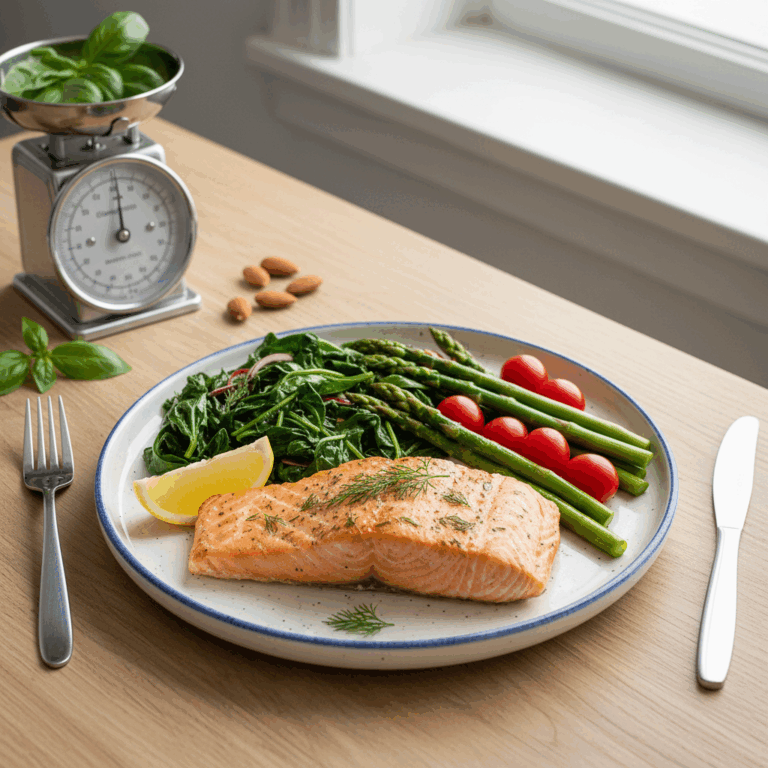
Incorporating varied proteins not only enriches flavor but also meets diverse dietary preferences. Grilled salmon or a tofu stir-fry with colorful vegetables can create balanced, satisfying meals low in carbohydrates.
Non-Starchy Vegetables for Volume and Nutrition
Non-starchy vegetables like spinach, broccoli, zucchini, and cauliflower add fiber, vitamins, and minerals without excess carbs. Their high water and fiber content increase meal volume, aiding fullness.
These vegetables lend texture and color to dishes, making meals more appetizing. Roasted Brussels sprouts or sautéed bell peppers are excellent choices to complement protein sources in a low-carb dinner.
Healthy Fats to Promote Satiety
Healthy fats such as avocado, olives, nuts, and olive oil are key to low-carb meals because they increase satiety and flavor. These fats slow digestion, helping you feel full longer and maintain energy levels.
Adding fats to your dinner also supports nutrient absorption and enhances taste. A salad with grilled chicken and a drizzle of olive oil combines texture, flavor, and healthy fat in one satisfying plate.
Carb Alternatives: Cauliflower Rice and Zucchini Noodles
Substituting high-carb staples like rice and pasta with cauliflower rice or zucchini noodles reduces carbohydrate intake without losing the feel of a substantial meal. These alternatives are easy to prepare and versatile.
They also help maintain meal volume and texture, preventing the feeling of deprivation. Incorporating these swaps makes transitioning to low-carb dinners simpler and more enjoyable for anyone aiming at weight management.
Popular Low-Carb Dinner Examples
Exploring delicious low-carb dinner options can transform your meal routine. These meals often combine high protein with nutrient-rich vegetables and healthy fats for satisfying results.
Popular dishes like frittatas and stir-fries showcase variety and ease, making low-carb eating enjoyable. Comforting meals and global flavors also adapt well to low-carb principles.
Protein-Packed Meals Like Frittata and Stir-Fries
Protein-packed meals such as frittatas loaded with eggs, spinach, and mushrooms provide a filling and nutritious option. Their versatility allows for many variations using favorite ingredients.
Stir-fries are another excellent choice, combining lean meats or tofu with colorful, non-starchy vegetables. Quick to prepare, they keep carb counts low while boosting flavor and texture.
Both meals emphasize protein and veggies, supporting fullness and nutrient intake. They easily fit into busy schedules and offer satisfying, balanced nutrition without excess carbs.
Comforting Options: Keto Stew and Spaghetti Squash
Comforting meals like keto beef stew combine rich flavors with low-carb ingredients, delivering warmth and satiety. These stews use tender meats and low-carb vegetables for a hearty experience.
Spaghetti squash is a popular pasta alternative, paired with cheese, tomato sauce, or creamy toppings. It provides the satisfaction of traditional dishes while cutting carbohydrate content substantially.
These options cater to comfort food cravings without compromising low-carb goals. They are ideal for cooler nights when a filling, warm meal is especially appealing.
Did You Know?
Spaghetti squash contains only about 7 grams of carbs per cup, compared to over 40 grams in traditional pasta. This swap helps maintain fullness and flavor with fewer carbs.
Keto stews often use bone broth, which adds collagen and nutrients, supporting overall health beyond just carb reduction.
Global Flavors Adapted for Low-Carb Diets
Global dishes like Thai chicken curry or shrimp jambalaya can be adapted for low-carb eating by adjusting ingredients and using vegetable substitutes. This keeps diverse flavors enjoyable.
Incorporating coconut milk, spices, and fresh herbs adds richness without carbs. Removing rice or bread sides and replacing them with cauliflower rice or leafy greens sustains flavor and lowers carbs.
Adapting global recipes ensures variety and excitement in your low-carb dinners, helping maintain motivation and adherence to dietary goals with international tastes.
Practical Tips for Preparing Low-Carb Dinners
Preparing low-carb dinners can be simple and quick with the right approach. Focusing on easy recipes helps ensure consistency and reduces mealtime stress.
Customization is key. Adapting meals to your preferences and dietary needs allows you to enjoy low-carb dinners that are both satisfying and sustainable.
Simple Recipes with Minimal Prep
Choose recipes that require few ingredients and straightforward steps to save time. Stir-fries, sheet pan meals, or salads with grilled protein are excellent low-prep options.
Using pre-cut vegetables or pre-cooked proteins further simplifies preparation. These shortcuts help maintain healthy eating habits even on busy days.
Batch cooking and storing meals in advance can also be invaluable. It provides ready-to-eat options that keep you on track without last-minute cooking.
Customization to Fit Personal Preferences and Needs
Customize dinners by swapping proteins, vegetables, or fats based on your taste and dietary restrictions. This flexibility makes low-carb eating more enjoyable and sustainable.
Experiment with herbs, spices, and healthy sauces to keep flavors interesting. Tailoring meals allows you to find your best low-carb combinations without feeling deprived.
Consider portion sizes and macros that suit your goals, whether for weight loss or maintenance. Personalization ensures your dinners meet both nutritional needs and preferences.