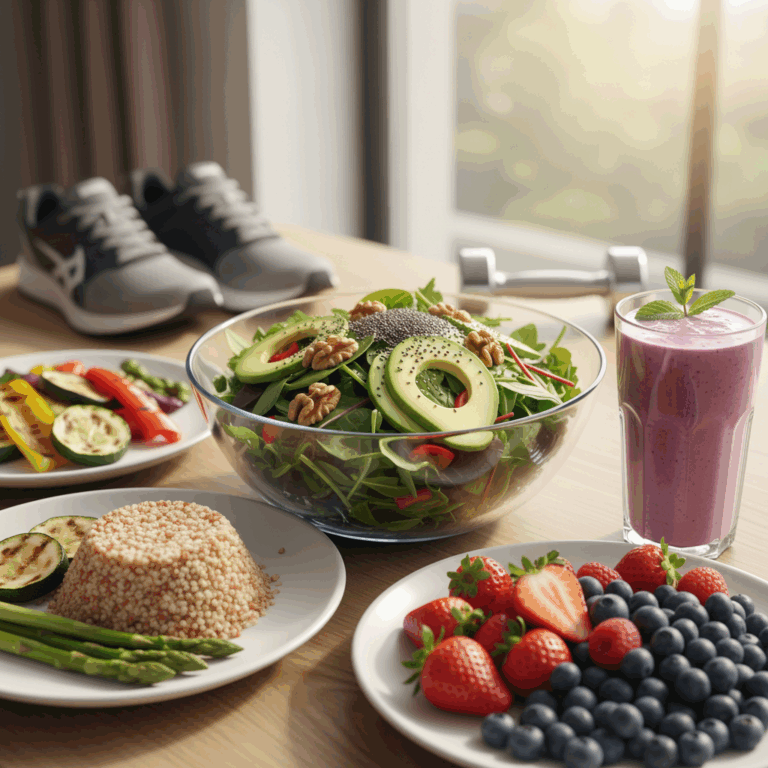
Key Nutrients in Dairy-Free Fitness Meals
Dairy-free fitness meals focus on delivering essential nutrients like high-quality protein, healthy fats, fiber, vitamins, and minerals without using dairy ingredients. These meals support muscle recovery and energy needs effectively.
By avoiding lactose and dairy proteins, individuals can still meet their fitness goals through balanced nutrition sourced from plant-based foods, lean meats, and dairy alternatives. This approach suits those with dietary restrictions or preferences.
Sources of High-Quality Protein
High-quality protein is critical for muscle repair and growth in any fitness regimen. Excellent sources without dairy include lean meats like chicken, fish, and turkey, which provide complete amino acid profiles.
Plant-based proteins such as beans, lentils, tofu, and tempeh are rich in protein and also supply fiber and micronutrients. Nuts and seeds contribute additional protein while enhancing meal texture and flavor.
Essential Healthy Fats and Fiber
Healthy fats in dairy-free meals play a vital role in hormone production and energy storage. Sources like avocados, olive oil, coconut oil, nuts, and seeds deliver beneficial fats that support fitness goals.
Fiber from whole grains, vegetables, and fruits promotes digestion and sustained energy release. Dark leafy greens offer additional fiber plus important vitamins and minerals to complete a nutrient-rich meal plan.
Components and Ingredients for Nutrient-Rich Dairy-Free Meals
Nutrient-rich dairy-free meals combine various components to ensure balanced nutrition essential for fitness goals. These meals emphasize diverse sources of protein, healthy fats, and complex carbohydrates.
Focusing on whole, natural ingredients like lean meats, plant proteins, whole grains, vegetables, and fruits enriches the diet. Healthy fats from plant sources complete these meals, supporting overall wellness and performance.
Lean Meats and Plant Proteins
Including lean meats such as chicken, fish, and turkey provides complete proteins important for muscle repair and growth. These options are low in fat and free from dairy components, ideal for clean eating.
Plant proteins like beans, lentils, tofu, tempeh, nuts, and seeds add variety and fiber. They supply essential amino acids along with vitamins and minerals, making plant-based choices an integral part of dairy-free fitness meals.
Whole Grains, Vegetables, and Fruits
Whole grains like quinoa, brown rice, and oats offer complex carbohydrates to fuel workouts and promote lasting energy. Their fiber content supports digestion and metabolic health.
Vibrant vegetables and fruits, especially dark leafy greens such as kale and broccoli, provide crucial vitamins, antioxidants, and calcium alternatives. These plant foods enrich meals with phytonutrients and minerals essential for recovery.
Healthy Fats from Plant Sources
Healthy fats from plant sources like avocados, olive oil, coconut oil, nuts, and seeds contribute important fatty acids that aid hormone production and sustained energy. These fats are vital in dairy-free fitness nutrition.
Incorporating these fats balances meals and supports absorption of fat-soluble vitamins. They also enhance flavor and texture, making dairy-free dishes both nutritious and satisfying.
Examples of Dairy-Free Fitness Meals
Dairy-free fitness meals can be both delicious and nutritionally balanced, featuring a variety of proteins, healthy fats, and complex carbs. These meals provide essential nutrients without any dairy ingredients.
By selecting nutrient-dense combinations of lean meats and plant proteins, or fully plant-based meals, individuals can meet their fitness goals and maintain energy levels while avoiding dairy content.
High-Protein Meals with Lean Meat and Plant Proteins
High-protein dairy-free meals often include lean meats such as chicken or fish paired with plant proteins like beans or tofu. This combination ensures a complete amino acid profile for muscle repair.
Examples include chicken with cauliflower and olives, cooked with olive oil and lemon, providing antioxidants alongside protein. Another option is a vegan stir-fry combining tofu with fresh vegetables for a fast, nutrient-packed dish free from dairy.
Black bean and sweet potato enchiladas also offer sustained energy with fiber and complex carbohydrates, supporting endurance and recovery in fitness routines.
Plant-Based Meal Ideas and Snacks
Plant-based dairy-free meals can be highly versatile. Buddha bowls mix grains, legumes, vegetables, and seeds to deliver balanced macros and abundant micronutrients, perfect for fitness enthusiasts seeking variety.
Overnight oats prepared with almond or oat milk, nuts, and seeds supply protein, healthy fats, and sustained energy, making them excellent for breakfast or post-workout fueling.
Healthy Dairy-Free Snack Options
Dairy-free muffins made with almond or coconut flour and enriched with nut butters offer convenient, protein-rich snacks. These tasty options fuel workouts and recovery without lactose or dairy ingredients.
Incorporating such snacks throughout the day helps maintain energy and supports muscle repair, essential components for a successful dairy-free fitness meal plan.
Ensuring Complete Nutrition on a Dairy-Free Diet
Achieving complete nutrition on a dairy-free diet requires careful inclusion of essential nutrients, particularly calcium, vitamin D, and protein. These are vital for bone health and muscle function.
Since dairy is a major source of these nutrients, finding suitable alternatives and diverse nutrient sources is key. This ensures that fitness goals and overall health are fully supported without dairy.
Calcium, Vitamin D, and Protein Sources
Calcium can be sourced from fortified plant milks, leafy greens like kale and broccoli, and almonds. Including these daily helps maintain strong bones and supports muscle contraction.
Vitamin D is primarily obtained through sun exposure, but supplements and fortified foods are important, especially in low sunlight areas. Vitamin D enhances calcium absorption for optimal bone health.
Protein remains crucial and can be obtained from varied sources such as lean meats, beans, lentils, tofu, and nuts. Combining these provides all essential amino acids necessary for muscle repair and growth.
Dairy-Free Alternatives for Texture and Taste
Dairy-free alternatives like coconut yogurt, nut-based cheeses, and plant-based milks enhance the texture and flavor of meals while keeping them free from lactose and dairy proteins.
These substitutes allow for versatility in recipes, making dairy-free fitness meals enjoyable without sacrificing nutritional quality or sensory experience.
Choosing high-quality, minimally processed dairy-free options ensures that meals remain nutrient-dense and contribute positively to fitness and wellbeing.