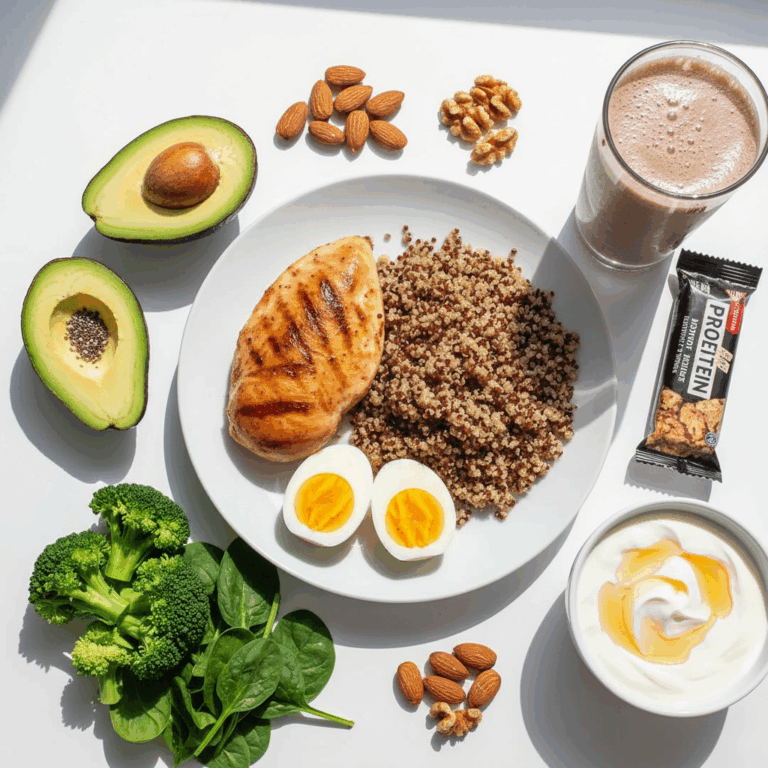
Key Protein Sources for Muscle Growth
Building lean muscle requires a diet rich in high-quality protein to supply essential amino acids. These nutrients fuel muscle repair, growth, and recovery effectively.
Including the right protein sources in your meals provides your body with necessary building blocks. It also supports workout performance and muscle synthesis over time.
A key focus is on sources that deliver complete proteins along with vital nutrients, enhancing muscle development and overall health.
Lean Meats and Fish Benefits
Lean meats like chicken breast and turkey offer complete proteins and essential amino acids needed for muscle repair. They are also low in fat, making them ideal for lean mass gains.
Fish such as salmon and tuna provide not only quality protein but also omega-3 fatty acids. These fats help reduce inflammation and promote faster muscle recovery.
Additionally, nutrients like iron and zinc in lean meats support oxygen transport and immune function, both critical for sustained training and muscle growth.
Eggs and Dairy for Muscle Repair
Eggs are a powerful source of protein and contain leucine, an amino acid that triggers muscle synthesis. Their versatility supports muscle recovery efficiently.
Dairy products like Greek yogurt and cottage cheese provide whey and casein proteins. Whey is fast-digesting, stimulating muscle repair quickly, while casein digests slowly, preventing muscle breakdown.
Consuming these before sleep helps maintain protein absorption overnight, aiding continuous muscle growth and repair during rest.
Plant-Based Proteins and Healthy Fats
Plant-based proteins offer a sustainable way to support muscle growth while providing essential nutrients and healthy fats. Including these in your diet diversifies your protein sources.
Healthy fats from plants not only promote muscle repair but also improve overall health. Combining these with plant proteins ensures balanced nutrition for effective muscle building.
For those avoiding animal products, plant-based foods can supply all necessary elements for lean muscle development and sustained energy during workouts.
Legumes and Soy Products
Legumes such as lentils and beans are excellent sources of plant-based protein and fiber. They help support muscle repair and keep digestion healthy for nutrient absorption.
Soy products like tofu offer complete proteins containing all essential amino acids. Their high content of minerals and B vitamins also aids in muscle metabolism and energy production.
Including these foods regularly helps maintain a steady supply of protein needed for muscle synthesis without relying on animal products.
Nuts and Seeds as Nutrient Sources
Nuts and seeds provide essential healthy fats, protein, and micronutrients vital for muscle recovery. Almonds, chia seeds, and hemp seeds are especially rich in nutrients like vitamin E and magnesium.
These foods also contain leucine, an amino acid key to muscle protein synthesis. Their nutrient density makes them practical snacks to support lean muscle gains.
Incorporating a variety of nuts and seeds enhances your overall intake of fats and proteins while contributing to long-term muscle health.
Role of Leucine in Muscle Synthesis
Leucine is a critical amino acid that triggers the muscle-building process by stimulating protein synthesis. It acts as a signal to repair and grow muscle fibers after exercise.
Both animal and plant proteins contain leucine, but sources like soy, nuts, and seeds provide it in meaningful amounts to support vegetarian or vegan diets.
Interesting Insight on Leucine
Research shows that leucine’s impact on muscle growth depends on its concentration in protein sources. Ensuring enough leucine intake can maximize muscle repair and gains.
Complex Carbohydrates for Energy
Complex carbohydrates are essential for sustained energy during workouts and everyday activities. They break down slowly, providing a steady supply of fuel for muscle performance.
Including these carbs in your diet helps maintain energy levels and supports effective training sessions. They also assist in muscle recovery by replenishing glycogen stores.
Choosing the right complex carbs ensures you stay energized and can maximize your muscle growth potential through consistent exercise.
Whole Grains and Sweet Potatoes
Whole grains like brown rice, oats, and quinoa are rich in fiber and complex carbs. These provide long-lasting energy, essential for endurance in muscle-building workouts.
Sweet potatoes are another top choice, packed with vitamins, minerals, and slow-digesting carbs. They help keep blood sugar levels stable while fueling muscle activity.
These foods not only support energy needs but also supply antioxidants and micronutrients that aid overall health and support recovery processes.
Replenishing Muscle Glycogen
Muscle glycogen is a key energy reserve used during resistance training. Consuming complex carbs post-workout helps replenish these stores efficiently, promoting faster recovery.
Refueling with whole grains and starchy vegetables restores glycogen, improving muscle endurance and preparation for the next training session.
Maintaining adequate glycogen levels supports muscle growth by reducing fatigue and enabling higher training volumes over time.
Vitamins, Minerals, and Recovery
Vitamins and minerals from fruits and vegetables play a vital role in muscle recovery and overall health. They support metabolic processes necessary for muscle repair.
Antioxidants found in these foods help reduce oxidative stress caused by intense workouts. This protects muscle cells and promotes faster recovery times.
Importance of Vegetables and Fruits
Fruits and vegetables provide essential micronutrients like vitamin C, potassium, and magnesium. These nutrients aid in reducing muscle soreness and improving hydration.
Leafy greens, berries, and citrus fruits are especially rich in antioxidants, which help combat inflammation and support immune function during intense training periods.
Including a wide variety of colorful fruits and vegetables ensures a balanced intake of vitamins that optimize muscle repair and help maintain energy levels.
Supporting Overall Muscle Health
Minerals such as calcium and magnesium are critical for muscle contraction and relaxation, making them key to preventing cramps and enhancing performance.
Regular consumption of nutrient-dense foods supports hormone balance and enzyme function, which are essential for protein synthesis and muscle regeneration.
Prioritizing vitamins and minerals in your diet enhances recovery, reduces fatigue, and helps sustain muscle health for long-term growth and strength.