Understanding Complete Plant Proteins
Complete plant proteins provide all nine essential amino acids needed for human health, vital for vegans to meet dietary needs. These amino acids cannot be synthesized by the body.
Knowing which plant foods contain complete proteins helps create balanced vegan meals, ensuring optimal nutrition without animal products. This understanding supports healthy plant-based living.
Incorporating a variety of these proteins supports tissue repair, muscle growth, and overall wellness, making complete plant proteins fundamental for anyone adopting a vegan lifestyle.
Essential Amino Acids in Plant-Based Proteins
The nine essential amino acids are histidine, isoleucine, leucine, lysine, methionine, phenylalanine, threonine, tryptophan, and valine. These are crucial for protein synthesis and metabolic functions.
Plant proteins vary in amino acid profiles, so consuming foods rich in each ensures balanced nutrition on a vegan diet. Without all nine, protein synthesis can be compromised.
Understanding which amino acids are abundant or limited in plants helps in selecting the right sources and combinations to achieve a complete protein intake daily.
Proper intake supports muscle development, immune function, and enzyme production, illustrating the importance of these amino acids in a well-rounded vegan diet.
Natural Plant Sources of Complete Proteins
Several plants naturally provide complete proteins, including quinoa, tofu, tempeh, edamame, amaranth, and buckwheat. These offer all nine essential amino acids in adequate amounts.
Seeds such as hemp, chia, and spirulina are also rich in complete proteins and add beneficial fats and fiber to vegan meals, enhancing nutritional value and texture.
Soy products like tofu and tempeh are popular staples that offer versatility and a full amino acid profile, making them cornerstone ingredients in many plant-based diets.
Fun Fact About Complete Plant Proteins
Quinoa was a staple for the ancient Incas due to its unique status as a complete protein grain, making it an excellent nutritious option for vegans worldwide today.
Combining Plant Foods for Complete Proteins
Combining different plant foods is key to creating complete proteins in vegan meals, ensuring all essential amino acids are consumed together. This strategy supports balanced nutrition without animal products.
Many plant proteins are individually incomplete, but when eaten in combination, they provide a full amino acid profile that meets dietary needs effectively. This approach offers flexibility in meal planning.
Through thoughtful combinations, vegans can enjoy diverse, flavorful meals while confidently fulfilling their protein requirements through plants alone, fostering long-term health and wellness.
Concept of Complementary Proteins
Complementary proteins combine two or more plant foods whose amino acid profiles compensate for each other’s limits, together forming a complete protein with all essential amino acids.
This concept allows vegans to pair foods such as legumes with grains, overcoming individual amino acid deficits. Timing doesn’t require simultaneous eating, but daily variety is important for balance.
Understanding complementary proteins helps optimize protein quality from plant sources, making it easier to design meals rich in all nine essential amino acids without animal products.
Popular Food Combinations for Vegan Meals
Classic vegan pairings like rice and beans or hummus with whole-grain pita bread exemplify complementary proteins that deliver complete amino acid profiles in tasty, accessible ways.
Other favorites include quinoa with edamame and bok choy, which combine protein-rich ingredients to form nutritionally complete meals, satisfying both flavor and health needs.
These combinations not only provide protein completeness but also enhance the overall nutrient intake, adding fiber, vitamins, and minerals essential for a healthy vegan lifestyle.
Examples of Balanced Plant-Based Dishes
Balanced dishes like spicy grilled tofu, orange-peanut tempeh with brown rice, and spicy lentil tacos showcase how to incorporate complete plant proteins in flavorful recipes perfect for vegan diets.
Chipotle black bean burgers on sprouted grain buns are another delicious example, combining ingredients rich in essential amino acids to meet daily protein needs with variety and taste.
These dishes demonstrate practical ways to enjoy complete proteins through diverse ingredients, supporting muscle repair and overall nutrition with plant-based options.
Plant-Based Meals Rich in Complete Proteins
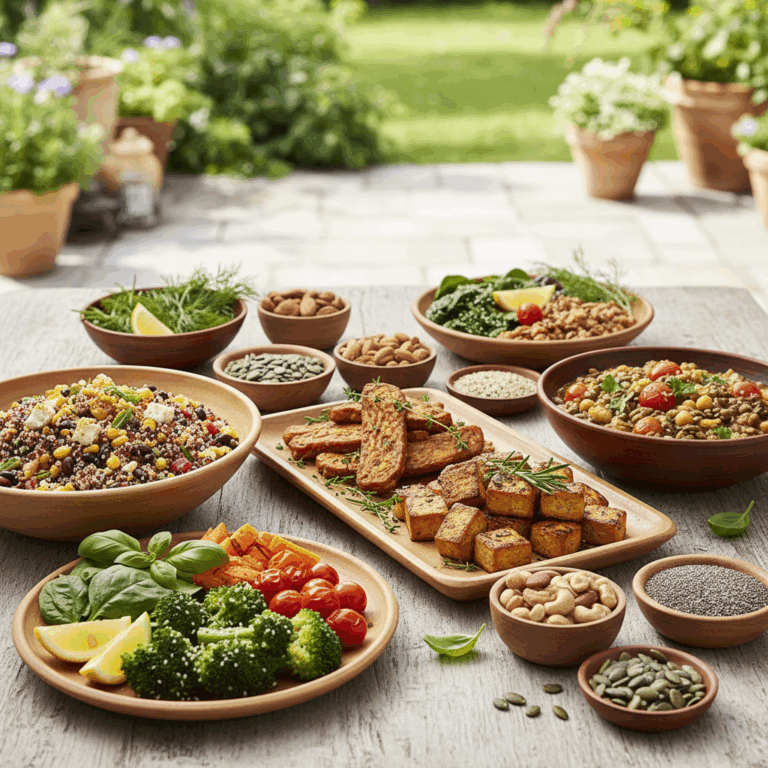
Vegan meals rich in complete proteins include staples like tofu, tempeh, quinoa, and seeds, all providing essential amino acids in balanced amounts. These foods support muscle growth and recovery effectively.
Incorporating these protein-rich ingredients makes it easy to design flavorful, nutritious meals that meet daily protein requirements without relying on animal products or supplements.
Adopting such meals also enhances diet diversity, contributing to overall health by supplying important micronutrients alongside high-quality plant proteins.
Popular Vegan Protein Staples
Tofu and tempeh are versatile soy-based staples offering all essential amino acids, making them foundational in vegan protein meals. They absorb flavors well and cook quickly.
Grains like quinoa and amaranth are naturally complete proteins, ideal for salads, bowls, and side dishes. Incorporating seeds such as hemp and chia boosts both protein and healthy fats.
Edamame and nutritional yeast also contribute complete proteins with added texture or flavor, enriching dishes from soups to snacks while promoting balanced vegan nutrition.
Flavorful Recipes with Complete Plant Proteins
Spicy grilled tofu paired with steamed vegetables offers a protein-packed and zesty meal perfect for lunch or dinner. The texture and spices make it satisfying and nutritious.
Orange-peanut tempeh served with brown rice combines creamy sauces with nutty tempeh flavor, providing completeness and warmth ideal for cozy meals full of essential amino acids.
For comfort food, chipotle black bean burgers on sprouted grain buns deliver protein completeness alongside smoky, spicy notes appealing to all palates, ensuring nutrient-rich enjoyment.
Meeting Nutritional Needs with Plant Proteins
Meeting protein requirements on a vegan diet involves intentional planning to ensure consumption of sufficient complete proteins daily. This supports muscle health and overall well-being.
Focusing on whole foods that contain or complement to provide all nine essential amino acids guarantees balanced nutrition without relying on animal-derived sources.
Incorporating a variety of plant proteins can effectively maintain optimal health, energy, and bodily functions while adhering to ethical or dietary preferences.
Ensuring Adequate Protein Intake on a Vegan Diet
Vegans must ensure they consume enough total protein from diverse plant foods like tofu, quinoa, lentils, and seeds to meet their body’s essential amino acid needs.
Combining complementary proteins across meals or snacks throughout the day helps maintain consistent amino acid availability and supports protein synthesis effectively.
Monitoring portion sizes and nutrient-dense protein sources prevents deficiencies, supports muscle maintenance, and promotes recovery for active individuals on vegan diets.
Supplementing meals with nutrient-rich plant foods like nutritional yeast or spirulina can add protein density and enhance flavor, aiding in overall intake.
Benefits of Protein Diversity in Plant-Based Diets
Eating a wide variety of plant proteins improves nutrient absorption and provides a broader spectrum of amino acids, vitamins, and minerals essential for health.
Diverse protein sources also supply antioxidants, fibers, and healthy fats, which contribute to cardiovascular health, digestion, and long-term disease prevention.
Protein diversity supports a more resilient microbiome, enhances satiety, and helps prevent monotonous meals, making it easier and more enjoyable to maintain a vegan diet.
Why Variety Matters
Different plants offer unique nutritional profiles; combining seeds, legumes, grains, and vegetables ensures comprehensive nutrient intake beyond just protein.
A diverse diet broadens culinary possibilities and helps avoid potential nutrient gaps, promoting sustainable, balanced vegan nutrition that supports overall vitality.