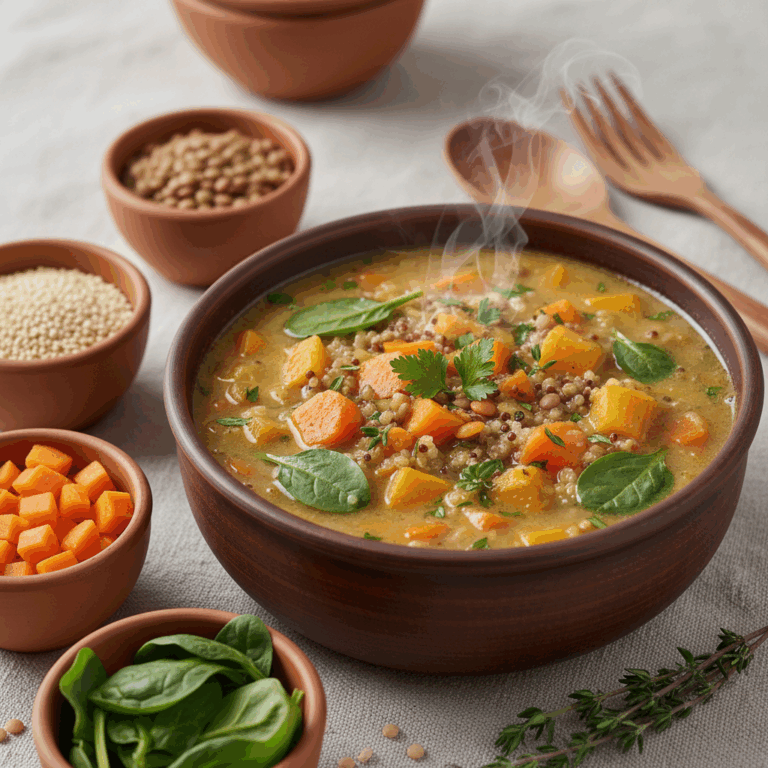
Core ingredients in nutrient-dense recovery soups
Nutrient-dense recovery soups are vital for healing, offering essential vitamins, minerals, and proteins. Their gentle nature supports digestion and replenishes the body efficiently.
These soups combine a rich broth base, a variety of vegetables, and quality proteins. Each component plays a unique role in tissue repair, immune support, and overall nourishment.
Broth foundations and their healing properties
Broth serves as the essential base, rich in minerals and amino acids. Bone broths provide collagen and gelatin that aid gut health and joint repair to accelerate recovery.
Vegetable and chicken broths also offer hydrating, easy-to-digest nutrients. Their warmth and flavor promote comfort while delivering vital electrolytes and antioxidants.
A well-prepared broth forms the nourishing foundation necessary for absorbing nutrients and promoting healing from illness or injury effectively.
Role of vegetables and proteins in nourishment
Vegetables like leafy greens, carrots, and mushrooms introduce fiber, vitamins, and anti-inflammatory phytonutrients crucial for reducing inflammation and boosting immunity.
Lean proteins such as chicken, turkey, lentils, and beans supply amino acids that drive tissue repair and immune function, supporting stronger recovery throughout convalescence.
Incorporating a variety of vegetables and proteins ensures a comprehensive nutrient profile, meeting the body’s increased demands during healing and energy restoration.
Enhancing soups with herbs, spices, and grains
Adding herbs, spices, and grains to nutrient-dense soups enhances both flavor and healing properties. These elements provide extra nutrition and therapeutic benefits vital for recovery.
Herbs and spices offer medicinal advantages, while grains supply sustained energy and satiety. Together, they create a balanced soup that supports digestion, immunity, and overall nourishment.
Medicinal benefits of herbs and spices
Herbs like parsley and basil bring antioxidants that support detoxification and improve mood. Spices such as turmeric and ginger offer powerful anti-inflammatory and immune-boosting effects.
Garlic is known for its antibacterial properties, helping the body fight infections. Incorporating these ingredients into soups enhances healing while creating complex, inviting flavors.
These natural additions help soothe digestive discomfort, reduce inflammation, and strengthen the body’s natural defenses to speed up recovery from illness or injury.
Adding grains for energy and satisfaction
Grains like brown rice, barley, and quinoa provide steady energy through complex carbohydrates. They add texture and make soups more filling, aiding in appetite and nourishment.
Including grains not only sustains blood sugar levels but also contributes fiber, promoting gut health and supporting a slower, more consistent energy release for prolonged recovery.
For recovering individuals, grains bolster calorie intake comfortably, preventing energy dips and enhancing the soup’s ability to satisfy hunger without heaviness.
Plant-based protein options for recovery
Plant proteins such as lentils, beans, and tofu deliver essential amino acids needed for tissue repair and immune support. These options are gentle on digestion yet highly nutritious.
Incorporating plant-based proteins caters to various dietary preferences while ensuring the soup remains rich in muscle-rebuilding nutrients important for convalescence.
Combining these proteins with herbs and grains creates a well-rounded soup that promotes healing, energy restoration, and overall body strength during recovery.
Specialized soups for specific health needs
Specialized nutrient-dense soups cater to unique health requirements, providing targeted benefits. These recipes focus on boosting immunity and reducing inflammation effectively.
Additionally, soups tailored for postpartum or post-surgical recovery emphasize gentle nourishment that supports tissue repair, boosts energy, and aids in overall healing.
Immune-boosting and anti-inflammatory recipes
Immune-enhancing soups often include mushrooms, ginger, garlic, and leafy greens, combining antiviral and anti-inflammatory ingredients. These components support a strong immune response.
Adding turmeric and fresh herbs increases antioxidant intake, helping to calm inflammation throughout the body. These soups aid in faster recovery and protect against illness.
Such recipes are designed to be easy on digestion while delivering a powerful blend of nutrients that strengthen the body’s defense systems naturally.
Soups for postpartum and post-surgical recovery
Postpartum and post-surgical soups focus on high protein content, often including lean meats, bone broth, and nutrient-rich vegetables. This supports tissue healing and energy replenishment.
Traditional soups like Chinese pork vinegar provide benefits including improved blood circulation and enhanced milk production, aiding mothers during recovery.
These soups are crafted to be gentle yet nourishing, promoting hydration, soothing digestion, and providing the key nutrients needed during vulnerable recovery phases.
Modern variations and preparation tips
Modern nutrient-dense soups incorporate innovative ingredients and techniques to enhance flavors and healing effects. These variations focus on maximizing antioxidants and ease of digestion.
Preparation tips emphasize blending, gentle cooking, and using nutrient-rich superfoods. This approach supports optimal absorption and energizes the body during recovery without overwhelming it.
Detox and antioxidant-rich soup options
Detox soups often feature greens like kale, spinach, and broccoli, packed with antioxidants that protect cells and support the body’s natural cleansing processes.
Beet and carrot-based soups offer vibrant color and high levels of vitamins A and C, enhancing liver detoxification and reducing inflammation effectively.
Including ingredients like turmeric, ginger, and garlic boosts the soup’s antioxidant capacity, aiding immune defense and accelerating recovery through anti-inflammatory action.
Techniques for easier digestion and energy boosting
Blending soups into smooth textures helps individuals with sensitive digestion absorb nutrients more readily, reducing digestive strain while maintaining nutrient density.
Slow simmering preserves delicate vitamins and minerals, while adding healthy fats like olive oil or avocado increases energy and supports nutrient absorption efficiently.
Incorporating small portions of grains or legumes provides sustained energy release, which is essential for maintaining stamina throughout the healing process.