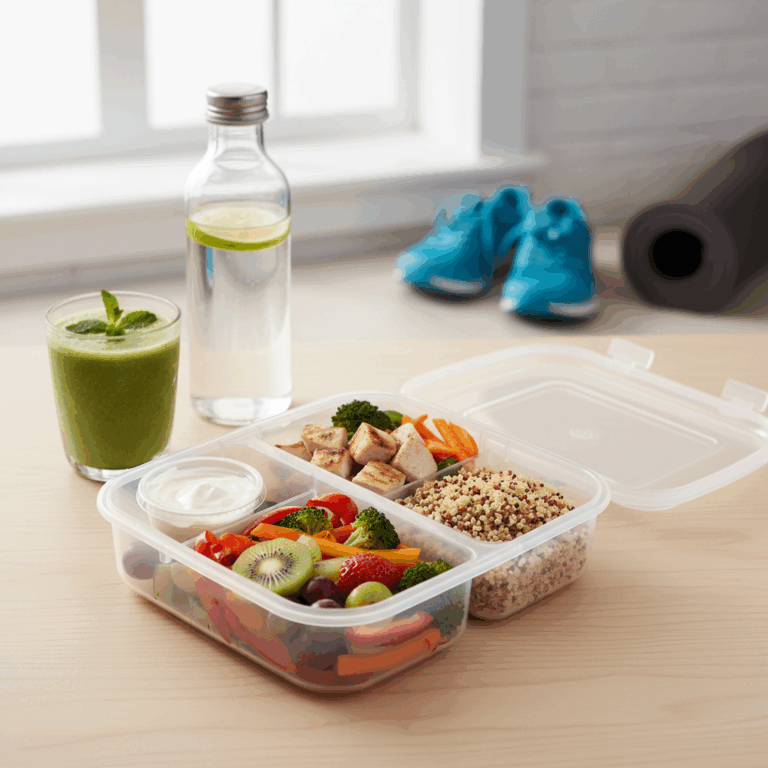
Key Components of Balanced Lunchboxes
A balanced lunchbox for active individuals must combine essential nutrients to maintain energy and support muscle health throughout the day. It centers on protein, carbohydrates, and fiber.
Including the right foods encourages sustained energy, satiety, and optimal physical performance. Each component plays a critical role in recovery and daily nutrition.
Choosing whole, nutrient-dense ingredients ensures that meals fuel the body effectively and keep hunger at bay between activities and workouts.
Protein Sources for Muscle Maintenance
Protein is crucial for muscle repair and growth, especially for active people. Good sources include grilled chicken, boiled eggs, tuna, tofu, and chickpeas, which provide high-quality amino acids.
Plant-based proteins like paneer or legumes are excellent alternatives, ensuring variety while meeting protein needs. Nitrate-free deli meats can be included in moderation for convenience.
Incorporating protein in every lunchbox meal helps keep you full longer and supports recovery after exercise, making it a foundational ingredient for fitness-friendly lunches.
Healthy Carbohydrates and Fiber Options
Healthy carbohydrates are vital to supply energy steadily throughout the day. Whole grains such as brown rice, quinoa, whole wheat pasta, and breads are preferred for their fiber content and nutrient density.
Fiber not only improves digestion but also promotes fullness, helping to avoid energy crashes. Including colorful, fiber-rich vegetables complements the carbs and adds important vitamins and minerals.
Choosing complex carbs and fiber-rich foods supports endurance and focus, making them indispensable in a lunch designed for active lifestyles.
Incorporating Fruits, Vegetables, and Healthy Fats
Fruits and vegetables are essential in lunchboxes for active people because they add vital vitamins, minerals, and fiber. Their natural antioxidants support overall health and recovery.
Including a variety of colorful produce ensures a broad range of nutrients, which boost immunity and enhance energy levels. They also improve digestion and keep the meal balanced and refreshing.
Healthy fats are another important lunchbox component. They aid in nutrient absorption and provide sustained energy, essential for an active lifestyle.
Benefits of Fruits and Vegetables
Regularly including fruits and vegetables contributes to improved nutrient intake and gut health. Their fiber slows digestion, helping maintain steady energy throughout the day.
Vegetables like carrots, bell peppers, and leafy greens offer antioxidants, vitamins A and C, and minerals crucial for repair and immune function. Fruits add natural sweetness and hydration.
These plant-based foods support muscle function and reduce inflammation, making them perfect for fitness-friendly lunchboxes that emphasize recovery and vitality.
Healthy Fats and Their Role
Healthy fats such as those found in avocado, nuts, and olive oil support brain health and hormone balance. They also enhance the flavor and texture of meals, encouraging consistent healthy eating.
Including fats helps the body absorb fat-soluble vitamins from fruits and vegetables and provides a steady source of long-lasting energy to sustain activity.
When selecting fats, opt for natural, minimally processed options. This approach ensures nutritious benefits without unhealthy additives that can impact overall wellness.
Optional Dairy and Alternatives
Dairy or dairy alternatives offer an additional source of protein and calcium, beneficial for bone health and muscle function in active individuals. Yogurt and cheese are convenient choices.
Non-dairy options like almond milk, soy yogurt, or paneer provide similar benefits for those with lactose intolerance or preferences for plant-based diets.
Including these options can diversify nutrient intake and help meet daily calcium needs while keeping the lunchbox balanced and satisfying.
Sample Balanced Lunchbox Meal Ideas
Creating balanced lunchbox meals that are both nutritious and delicious supports active lifestyles by providing energy and essential nutrients. These meals should combine proteins, carbs, and healthy fats with vibrant fruits and vegetables.
Sample ideas like grain bowls, pasta dishes, wraps, and salads can be easily prepared and customized. They offer variety and maintain interest while fueling muscle repair and stamina throughout the day.
Incorporating simple ingredients and flavors ensures meals remain appealing and practical for busy routines, making healthy eating effortless and enjoyable for fitness enthusiasts.
Grain Bowls and Pasta Dishes
Grain bowls featuring brown rice or quinoa paired with roasted vegetables and protein sources like chickpeas or grilled chicken form a nutrient-rich meal. Adding dressings like turmeric tahini boosts flavor and health benefits.
Whole wheat pasta tossed with olive oil and a mix of roasted broccoli, bell peppers, and zucchini offers complex carbs and antioxidants. These dishes provide sustained energy and support recovery after exercise.
They are versatile and packable options, allowing for the inclusion of multiple food groups in one bowl, ensuring balanced nutrition while keeping preparation simple and fast.
Wraps and Salads
Wraps filled with grilled chicken, fresh mixed greens, avocado, and a side of fruit combine protein, healthy fats, and fiber, making an ideal grab-and-go lunch. The wrap format offers convenience without sacrificing nutrient density.
Salads with tuna, pickles, whole grain crackers, and veggie sticks provide refreshing textures and tastes. Adding a small sweet treat like dried fruit with dark chocolate chips makes the meal enjoyable while staying fitness-friendly.
Both wraps and salads allow flexibility in ingredients, catering to personal preferences and dietary needs. They help maintain energy levels all day, fueling active lifestyles effectively.
Enhancing Lunchboxes with Snacks and Hydration
Adding snacks and proper hydration enhances the overall nutrition and enjoyment of lunchboxes for active people. Snacks can provide quick energy and satisfy cravings smartly.
Hydration supports optimal physical and cognitive performance, making it essential to include fluids alongside balanced meals, especially for those with a fitness focus.
Combining fun, healthy treats and water or electrolyte drinks helps maintain energy levels and prevents dehydration during busy, active days.
Adding Fun, Healthy Treats
Incorporating small, nutritious snacks like nuts, dark chocolate, or popcorn adds enjoyment without sacrificing health goals. These treats boost mood and provide beneficial nutrients.
Healthy snacks also help maintain blood sugar levels and prevent energy dips later in the day. Choosing portion-controlled options keeps lunchboxes balanced and satisfying.
Variety in textures and flavors keeps meals exciting, making it easier to stick to a fitness-friendly eating routine while still indulging wisely.
Importance of Hydration for Active People
Proper hydration is vital for active individuals as it supports muscle function, temperature regulation, and overall endurance. Dehydration can impair performance and recovery.
Carrying a reusable water bottle ensures water is accessible throughout the day. Adding electrolyte-rich drinks can be beneficial during intense or prolonged activity.
Hydrating consistently helps maintain focus and energy while reducing fatigue, making it an indispensable part of any balanced lunchbox for fitness enthusiasts.