Key Hydrating Ingredients for Athletes
Athletes require optimal hydration to maintain performance and aid recovery. Consuming foods with high water content alongside essential electrolytes supports this balance naturally.
Water-rich fruits and vegetables provide fluid and vital minerals like potassium, sodium, magnesium, and calcium. These nutrients replace what’s lost through sweating during exercise.
Water-Rich Fruits and Vegetables
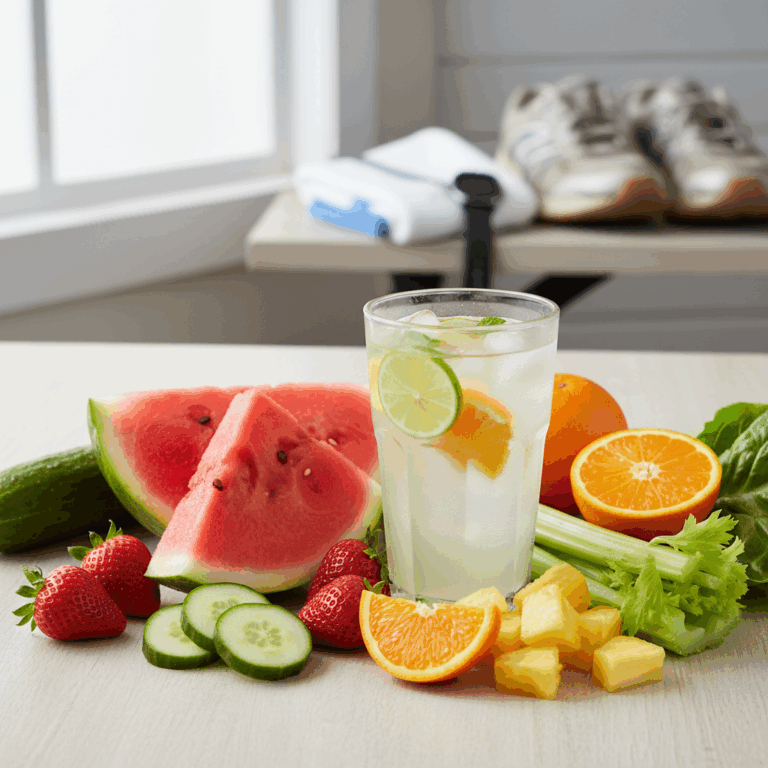
Fruits like watermelon and strawberries contain about 92% water, helping replenish fluids quickly. Melons also offer electrolytes critical for hydration and muscle function.
Cucumbers and celery possess up to 96% water content, with natural electrolytes such as potassium and sodium to balance hydration effectively.
Leafy greens including spinach and iceberg lettuce provide ample hydration plus minerals like magnesium and calcium, supporting overall athletic health.
Electrolyte-Rich Foods and Drinks
Coconut water is a natural beverage rich in potassium, sodium, and magnesium, making it excellent for rehydrating after intense workouts.
Dairy products like cottage cheese offer hydration alongside calcium and protein, which aid muscle recovery and fluid retention post-exercise.
Salty snacks such as pickles and pretzels are valuable for quickly restoring sodium lost through sweat, helping maintain fluid balance in athletes.
Health Benefits of Hydrating Foods
Hydrating foods play a crucial role in enhancing fluid retention, helping athletes maintain optimal hydration during intense physical activities.
These foods support muscle recovery by replenishing essential nutrients lost through sweat, accelerating repair and reducing fatigue.
Replenishing electrolytes from hydrating foods helps maintain balance in body fluids, prevents cramps, and sustains energy levels during exercise.
Enhancing Fluid Retention and Rehydration
Foods rich in water and electrolytes promote better fluid retention, allowing athletes to stay hydrated longer compared to water alone.
Watermelon and cucumbers not only provide hydration but also contain sodium and potassium, which are vital for maintaining cellular fluid balance.
Consuming these natural hydrating options can improve rehydration efficiency after workouts, supporting faster recovery and sustained performance.
Supporting Muscle Recovery
Hydrating foods with added protein and minerals contribute directly to muscle repair and recovery processes post-exercise.
Dairy products like cottage cheese supply calcium and magnesium needed for muscle function while aiding hydration and replenishment.
Electrolytes help regulate muscle contractions and prevent cramping, which is vital when recovering from intense training or competition.
Replenishing Electrolytes Lost Through Sweat
During exercise, athletes lose sodium, potassium, and magnesium through sweat, risking dehydration and muscle fatigue if not replaced.
Incorporating hydrating foods such as leafy greens and salty snacks restores these electrolytes naturally, enhancing hydration and endurance.
Coconut water serves as a natural electrolyte-rich drink, quickly replenishing minerals lost, supporting balanced hydration and optimal athletic performance.
Recipes to Improve Hydration
Incorporating hydrating recipes helps athletes maintain fluid balance while enjoying nutritious meals and snacks. These recipes blend water-rich ingredients with electrolytes.
Combining fruits, vegetables, and protein enhances hydration and recovery. These tasty options naturally replenish fluids and vital minerals lost during exercise.
Hydrating Fruit Salad and Smoothies
A hydrating fruit salad featuring watermelon, strawberries, cantaloupe, and blueberries offers over 90% water content alongside important electrolytes such as potassium and magnesium.
Adding a sprinkle of sea salt and plain Greek yogurt boosts sodium and protein, combining hydration, antioxidants, and muscle recovery support in one dish.
Smoothies made with coconut water, banana, spinach, and protein powder deliver balanced hydration plus essential nutrients for quick post-workout replenishment.
Vegetable and Protein-Rich Snack Options
Vegetable plates with cucumbers, celery, bell peppers, and cherry tomatoes paired with hummus provide hydration, electrolytes, fiber, and plant-based protein.
Cottage cheese topped with pineapple chunks or dried apricots offers a protein-rich snack that hydrates while delivering calcium, sodium, and potassium needed for recovery.
Guacamole-stuffed celery combines potassium-rich avocado and healthy fats with fluids, enhancing performance and sustaining hydration during longer activities.
Practical Tips for Athletes
Combining the right hydrating foods can enhance an athlete’s fluid balance effectively. Pairing water-rich fruits with electrolyte-rich snacks creates a balanced hydration approach.
Timing consumption also matters. Eating hydrating foods before, during, and after exercise helps maintain fluid levels and supports recovery efficiently.
Combining Ingredients for Optimal Hydration
Mixing fruits like watermelon with electrolytes from salty snacks replenishes fluids and essential minerals simultaneously, optimizing hydration.
Including protein sources such as cottage cheese in hydrating meals supports muscle repair along with fluid replacement, enhancing overall performance.
Using leafy greens and coconut water together ensures a supply of magnesium, potassium, and sodium needed to maintain electrolyte balance during activity.
When and How to Consume Hydrating Foods
Pre-exercise snacks with high water content and electrolytes prepare the body by improving hydration and preventing early fatigue during workouts.
During exercise, easily digestible fruits or coconut water facilitate rapid fluid replenishment without heavy digestion, sustaining endurance.
Post-exercise meals combining protein, fluids, and electrolytes aid in muscle recovery and restore hydration levels promptly, reducing downtime.