Benefits of One-Pot Meals
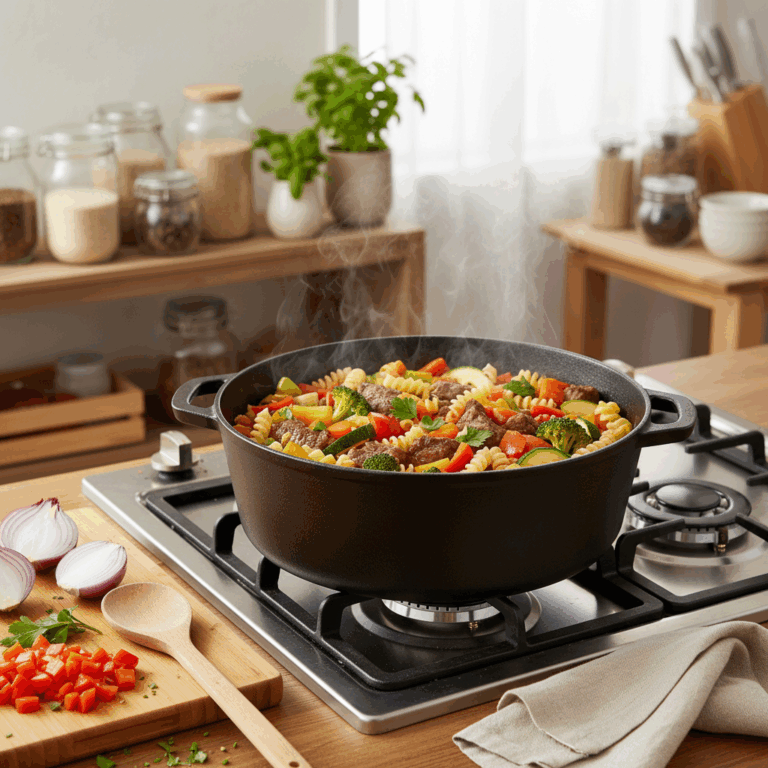
One-pot meals offer a simple solution for busy individuals seeking delicious dinners with less fuss. Cooking everything in a single pot reduces clutter and streamlines the process.
These meals save time not only during cooking but also during cleaning up. Fewer dishes mean less effort, allowing you to enjoy your meal without the stress of extensive cleanup later.
Time-saving and Easy Cleanup
One-pot meals cut down on cooking steps by combining all ingredients into a single pot or pan. This approach speeds up preparation and cooking time.
After eating, you only need to wash one dish instead of multiple pots and pans. This convenience is ideal for hectic weeknights when time is limited.
By minimizing dish usage, you reduce water and detergent consumption, supporting both practical and environmental benefits.
Versatility Across Different Cuisines and Ingredients
One-pot meals can showcase a wide array of flavors from around the world, adapting to various cuisines and ingredients. From pasta to rice to soups, options abound.
They can accommodate diverse dietary preferences, including vegetarian, vegan, seafood, and protein-based dishes, making them accessible to many.
This versatility means you can easily customize recipes using favorite vegetables, herbs, and spices to suit your taste and nutritional needs.
Popular One-Pot Recipes
One-pot meals come in countless varieties, catering to diverse tastes and dietary needs. From comfort foods to healthy options, there is a recipe for everyone.
These recipes combine ingredients seamlessly, often cooking pasta, rice, or proteins together, resulting in a flavorful and easy dish with minimal cleanup.
Classic Pasta and Rice Dishes
Popular choices include dishes like cheeseburger pasta where pasta cooks alongside ground beef and cheese in a single pot. This method infuses flavors efficiently.
Rice dishes also excel in one-pot meals, such as one-pot chicken and broccoli rice casseroles, allowing the rice to absorb the savory juices and seasonings.
These dishes offer comforting, hearty meals perfect for quick weeknight dinners full of satisfying textures and rich flavors.
Seafood and Protein-Based Recipes
Seafood lovers enjoy one-pot orzo with shrimp and peas, capturing fresh flavors with minimal prep and cleanup. Sheet pan garlic butter salmon also provides a simple option.
Protein-based meals like one-pan gnocchi with chorizo and artichokes combine quick-cooking meats with vegetables for balanced, flavorful plates ready in minutes.
These recipes maximize flavor while minimizing effort, delivering nutritious dinners that are both tasty and efficient to prepare.
Vegetarian and Vegan Options
Vegetarian lovers have many one-pot options, like barley, kale, and romano bean soup, which are hearty, filling, and nutritious, perfect for a cozy meal.
Vegan possibilities include quinoa with kabocha squash and chickpeas in green tahini sauce, offering vibrant, plant-based flavors cooked in one pot.
These meals prioritize wholesome ingredients and simple preparation, making healthy eating effortless and enjoyable.
Sheet Pan and Baking Dish Meals
Sheet pan meals like chicken with broccoli and chickpeas streamline cooking and cleanup by roasting all ingredients together on one pan.
One-pot chicken and broccoli lasagne replaces traditional layering with a casserole-style bake that retains creamy, cheesy flavors easily cooked and served.
These methods deliver delicious, well-rounded dinners while reducing kitchen mess, perfect for those wanting easy and satisfying meals.
Techniques for Successful One-Pot Cooking
Mastering one-pot meals requires understanding ingredient timing and cooking methods. Selecting the right components ensures balanced texture and flavor in a single dish.
Using pre-packaged items and quick-cooking proteins can speed up preparation, while customizing vegetables and seasonings lets you craft meals perfectly suited to your tastes.
Using Pre-packaged Ingredients and Quick-Cooking Proteins
Pre-packaged ingredients like frozen vegetables, pre-cooked beans, or boxed grains save valuable prep time, making one-pot meals easier to assemble and cook.
Quick-cooking proteins such as shrimp, thinly sliced chicken, or sausage can be added later in the process to avoid overcooking while ensuring tenderness.
This approach allows you to focus on layering flavors efficiently, reducing overall cooking time without sacrificing quality or taste.
Customizing with Vegetables and Seasonings
Adding fresh or frozen vegetables enhances nutrition and texture, allowing you to tailor meals according to seasonality and personal preferences.
Seasonings like herbs, spices, and sauces play a crucial role in defining flavor profiles. Adjust amounts to balance boldness and subtlety in your dish.
Experimenting with different combinations encourages creativity and keeps one-pot meals exciting and diverse, suited to your nutritional goals.
Tips for Optimizing Cleanup
Optimizing cleanup after one-pot meals is essential to truly enjoy their convenience. Choosing the right cookware and planning your meals wisely can make a big difference.
Efficient cleanup not only saves time but also reduces stress, helping maintain a clean kitchen with minimal effort. This allows you to focus on enjoying your meal and free time.
Choosing the Right Cookware
Selecting cookware with non-stick surfaces can greatly ease cleanup after cooking. These materials prevent food from sticking, making washing quicker and easier.
Heavy-duty pots and pans with sturdy construction also help distribute heat evenly, reducing the risk of burnt food that can be hard to clean.
Opt for versatile cookware that can go from stove to oven safely, as this minimizes transfers and the number of dishes used in cooking.
Meal Planning to Minimize Pots and Pans
Plan one-pot meals carefully by choosing recipes that naturally require fewer utensils and containers. This strategy limits the mess created during preparation.
Incorporate ingredients that cook well together to avoid needing additional pots for side dishes or sauces, streamlining both cooking and cleanup.
Prepping ingredients in advance and organizing cooking steps can also reduce the number of tools used, making the cleaning process faster and simpler.