Benefits of Homemade Sauces
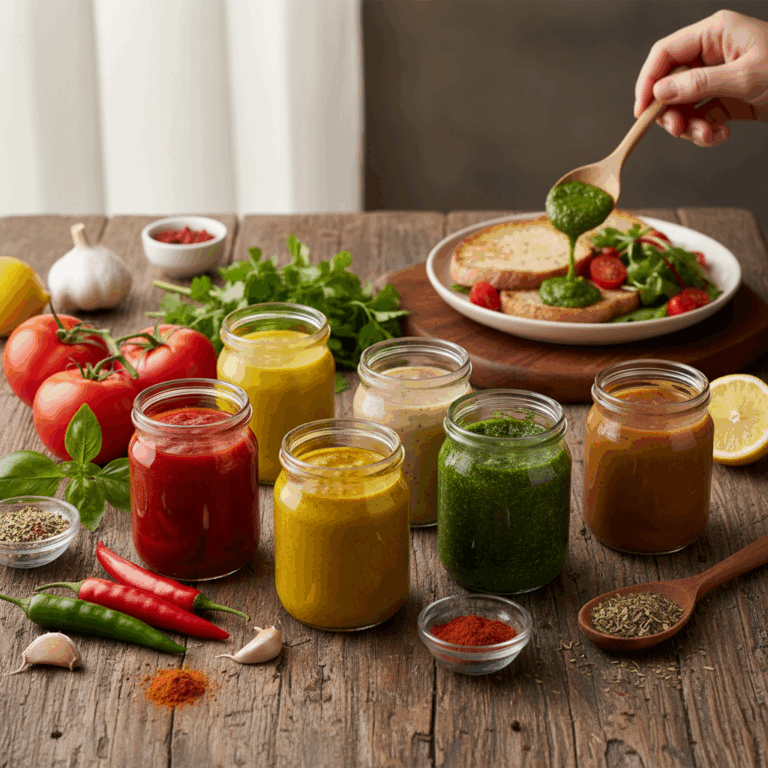
Homemade sauces can transform simple dishes by adding layers of rich flavor and appealing texture. They elevate everyday meals into memorable experiences with their unique taste profiles.
These sauces are often versatile and easy to prepare, enhancing a variety of foods from salads to roasted vegetables and proteins. Their use enriches both flavor and presentation.
Enhancing Flavor and Texture
Homemade sauces bring depth and complexity to meals, balancing savory, sweet, spicy, or tangy notes. They add moisture and richness, making dishes more enjoyable.
The texture of sauces, whether creamy, smooth, or slightly chunky, complements the food and elevates simple ingredients to a new sensory level of taste and mouthfeel.
By customizing these sauces, you can tailor flavors to suit your preferences, enhancing the overall dining experience and turning ordinary meals into standout dishes.
Nutritional Advantages and Fresh Ingredients
Homemade sauces use fresh, wholesome ingredients like olive oil, lemon juice, nuts, and herbs, offering better nutrition than many store-bought options loaded with preservatives and sugars.
These sauces contribute healthy fats, vitamins, and antioxidants while avoiding artificial additives, making meals not just tastier but also healthier and more nourishing.
With simple prep and natural ingredients, homemade sauces support a balanced diet and encourage the use of fresh produce, enhancing both flavor and wellness.
Popular Versatile Sauces to Elevate Meals
Several versatile homemade sauces can dramatically enhance your meals with minimal effort. They add unique flavors and textures that transform everyday dishes into gourmet delights.
From nutty tahini blends to smoky roasted red pepper sauces, these options suit a variety of cuisines and dietary preferences. Their flexibility makes them staples in many kitchens.
Tahini-Based Sauces: Lemon and Golden Tahini
Tahini-based sauces combine a creamy, nutty base with bright citrus like lemon, creating a refreshing, rich flavor. These sauces complement roasted vegetables, grains, and proteins beautifully.
The subtle earthiness balances tartness and spice, making tahini sauces perfect as drizzles or dips. They add depth without overpowering the dish, enhancing simple meals easily.
Using tahini as a foundation allows for countless variations by adjusting herbs, garlic, or spices, offering a creative way to tailor sauce intensity and complexity at home.
Roasted Red Pepper Sauce with Italian Flair
Roasted red pepper sauce delivers a smoky, sweet, and slightly tangy taste reminiscent of classic Italian cuisine. It suits pasta, grains, vegetables, and casseroles alike.
Its rich color and layered flavor bring warmth and appeal to dishes without heaviness. Despite its complexity, it remains quick to prepare, maximizing flavor with simple ingredients.
This sauce’s versatility and ease make it a go-to option for adding depth and character to both weeknight dinners and special meals.
Peanut Sauces: Sweet, Spicy, and Savory
Peanut sauces offer a harmonious balance of sweet, spicy, and savory elements. These sauces are ideal for noodles, salads, grilled meats, and as flavorful dips with global influence.
The creamy texture combined with bold flavors enlivens dishes and adds a satisfying mouthfeel. Adjusting heat and sweetness lets you customize the sauce to suit different tastes.
Incorporating peanut sauces into meals introduces exciting flavors that transform simple ingredients into vibrant, well-rounded dishes.
Vinaigrettes and Herbaceous Sauces for Freshness
Vinaigrettes and herb-based sauces are quick, bright additions that lift greens, roasted vegetables, and proteins with tangy and fresh notes. Citrus, garlic, and herbs create lively flavor profiles.
These sauces emphasize freshness and health, using quality oils and herbs to enhance the natural taste of ingredients. They provide a refreshing contrast to richer dishes.
Healthful and Flavorful Combinations
Often low in calories and rich in antioxidants, herbaceous vinaigrettes combine taste and wellness. Adding jalapeño or cilantro enhances both heat and aromatic qualities, refreshing every bite.
Applications of Homemade Sauces in Everyday Cooking
Using homemade sauces in daily cooking adds exciting flavors and textures to otherwise simple meals. These sauces can seamlessly enhance vegetables, grains, and proteins.
Furthermore, they provide versatility to your cooking, allowing each dish to be customized with vibrant tastes that encourage more enjoyable, nutritious meals.
Pairing Sauces with Vegetables, Grains, and Proteins
Homemade sauces complement a wide range of foods, enlivening roasted vegetables, hearty grains, and various proteins. The right pairing can highlight the natural flavors of your ingredients.
For example, tahini-based sauces add creaminess to roasted veggies or grain bowls, while roasted red pepper sauce brings smoky depth to chicken or pasta dishes, enhancing their overall appeal.
Peanut sauces with sweet and spicy notes work wonderfully with grilled meats or stir-fried vegetables, providing a satisfying contrast that elevates the entire meal’s experience.
Using Sauces as Dips and Dressings
Homemade sauces serve perfectly as dips for fresh vegetables or as dressings for salads, making snacks and meals more flavorful and inviting with minimal effort.
Vinaigrettes and herbaceous sauces refresh salads with bright, tangy notes, while creamy tahini or peanut sauces add richness and texture when used as dips, encouraging healthy eating habits.
Incorporating sauces in this way can transform routine meals or snacks into enjoyable moments of taste, supporting balanced and varied diets without complexity.
Making and Incorporating Homemade Sauces
Creating homemade sauces involves using simple, wholesome ingredients that are easy to find and prepare. These sauces come together quickly, making them practical for everyday cooking.
With a few basic steps, you can mix oils, nuts, herbs, and spices into delicious sauces that add vibrant flavor and texture to any meal without much effort.
Simple Ingredients and Quick Preparation
Many homemade sauces rely on accessible pantry basics such as olive oil, fresh lemon juice, tahini, nut butters, garlic, and fresh herbs. These ingredients combine to create rich, varied flavors.
Preparation is straightforward, often requiring just mixing or blending, allowing you to prepare fresh sauces in minutes for immediate use or quick meal enhancement.
This efficiency means you can experiment with different flavor profiles regularly, making homemade sauces a flexible and enjoyable kitchen staple.
Regular Use to Elevate Everyday Meals
Incorporating homemade sauces regularly can transform simple dishes by adding depth and freshness every day. They allow you to customize meals and keep flavors exciting.
Using sauces like tahini lemon, roasted red pepper, or peanut sauce invigorates vegetables, grains, and proteins, turning routine meals into something special with minimal extra effort.
By consistently including these sauces, you not only enhance taste but also boost nutritional value, making your cooking both flavorful and wholesome.