Understanding Nanoemulsions and Their Role in Food
Nanoemulsions in food are fine emulsions with droplet sizes from 10 to 200 nanometers, forming stable oil-in-water or water-in-oil systems. They offer improved stability and functional versatility.
The small droplet size enhances solubility and bioavailability of encapsulated bioactive compounds, protecting them from degradation and improving sensory qualities in foods.
Formed using surfactants and techniques such as high-pressure homogenization, nanoemulsions improve product quality by enabling controlled release and better nutrient absorption.
Definition and Characteristics of Nanoemulsions
Nanoemulsions are fine dispersions of oil and water droplets sized between 10 and 200 nm, characterized by kinetic stability and resistance to flocculation and sedimentation.
They have high surface area, optical transparency, and enhanced stability that improve flavor release, nutrient delivery, and shelf-life in food applications.
How Nanoemulsions Improve Nutrient Bioavailability
Nanoemulsions enhance bioavailability by increasing solubility and dispersion of hydrophobic nutrients, protecting them from degradation in the digestive tract.
Small droplets facilitate efficient enzymatic digestion and controlled nutrient release, improving absorption by intestinal cells over conventional systems.
Applications of Nanoemulsions in Food Products
Nanoemulsions are widely applied to deliver nutraceuticals, antioxidants, and flavoring agents, as well as to develop edible coatings that extend food shelf life and freshness.
They are also used in fat reduction products, sustainable packaging, and improving texture and sensory attributes of dairy, meat, fruit, and vegetable products.
The Importance of Enhancing Nutrient Absorption from Kale
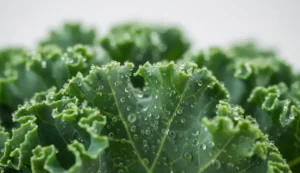
Kale is a nutrient-dense leafy green rich in vitamins K, C, A, calcium, potassium, magnesium, iron, fiber, and protein. It offers broad health benefits.
Its antioxidants, minerals, and bioactive compounds support bone health, immune function, cardiovascular health, and may help reduce cancer risk.
Maximizing nutrient bioavailability from kale is important to fully harness its antioxidant, anti-inflammatory, and disease-preventive properties.
Nutritional Profile of Kale and Its Health Benefits
Kale supplies high vitamin K for blood clotting and bone health, abundant vitamin C to support immunity and collagen synthesis, and vitamin A for vision.
It contains minerals like calcium, potassium, magnesium, and iron, plus fiber and antioxidants that reduce oxidative stress and inflammation, aiding chronic disease prevention.
Challenges in Nutrient Bioaccessibility of Kale
Many key nutrients in kale are fat-soluble (carotenoids, vitamins A and E) and poorly absorbed without dietary fat, limiting their bioavailability.
Anti-nutritional factors like oxalates bind minerals reducing absorption, while the plant matrix and preparation methods also affect nutrient release.
Role of Vitamin C and Impact of Plant Compounds on Mineral Absorption
Vitamin C enhances absorption of nonheme iron by converting it to a more absorbable form and forms soluble complexes aiding uptake during digestion.
Bioflavonoids and other plant compounds improve vitamin C stability and absorption, boosting the uptake of iron and selenium and supporting bone and tissue health.
Health Implications of Improved Kale Nutrient Absorption
Improved absorption of vitamins K, C, calcium, magnesium, and antioxidants from kale supports stronger bones, cardiovascular health, and reduced inflammation.
Enhanced nutrient uptake also bolsters immune function, collagen production, antioxidant defenses, and may lower risks of osteoporosis, cancer, and chronic diseases.
Nanoemulsion-Based Sauces: Boosting Nutrient Bioaccessibility in Kale
Nanoemulsions encapsulate lipophilic nutrients in tiny droplets, enhancing solubility and stability for better absorption in the gut.
These systems protect nutrients from degradation and promote enzymatic digestion, improving nutrient delivery to intestinal cells.
In kale, nanoemulsions increase uptake of fat-soluble vitamins and antioxidants, boosting their nutritional benefits and bioavailability.
Mechanism of Nutrient Delivery via Nanoemulsions
Nanoemulsions increase nutrient surface area and protect sensitive compounds, enhancing solubility and intestinal absorption of lipophilic nutrients.
The small droplet size facilitates enzyme digestion and transcellular transport, enabling controlled release and improved bioaccessibility.
Comparative Advantages Over Traditional Dressings and Cooking
Nanoemulsion-based sauces improve stability and nutrient protection better than traditional dressings, resulting in greater vitamin and antioxidant retention.
They enhance membrane permeation and nutrient solubilization, offering superior absorption compared to cooking or conventional oil-based dressings.
Practical Culinary Approaches for Enhancing Kale Nutrition
Pair kale with oil-based emulsions or dressings like olive oil vinaigrette to boost fat-soluble nutrient absorption effectively at home.
Cooking kale with oil, making smooth emulsified sauces, or combining it with fatty foods like avocado also enhances nutrient uptake.
Emerging Trends in Food Science Ingredients
Food science ingredients in 2024 focus on plant-based solutions, functional foods, and clean-label ingredients for health and sustainability.
Consumers demand recognizable, natural ingredients with added nutritional and sensory benefits in innovative food products.
Biotechnology and alternative sweeteners play major roles in enhancing flavor, shelf life, and environmental impact of food ingredients.
AI-Driven Innovation in Flavor and Ingredient Development
AI accelerates flavor creation by predicting consumer preferences using big data and molecular analysis for precise formulation.
Platforms combining sensory data with chemical profiles enable rapid optimization of flavors and ingredient functionality.
Rise of Alternative Proteins and Sustainable Ingredient Sourcing
Alternative proteins from plants, fermentation, and cultivated meat grow due to lower environmental impact and health benefits.
Sustainable sourcing and clean-label wholefood ingredients meet consumer demand for ethical, nutritious, and minimal-processed foods.
Challenges and Considerations in Using Nanoemulsion Technology in Food
Ensuring long-term stability of nanoemulsions is challenging due to possible coalescence and phase separation affecting product quality.
Scaling up production requires maintaining consistent droplet size and quality, which demands advanced equipment and process control.
Regulatory approval and consumer acceptance pose hurdles, as safety concerns and transparency about nanotechnology remain key issues.